



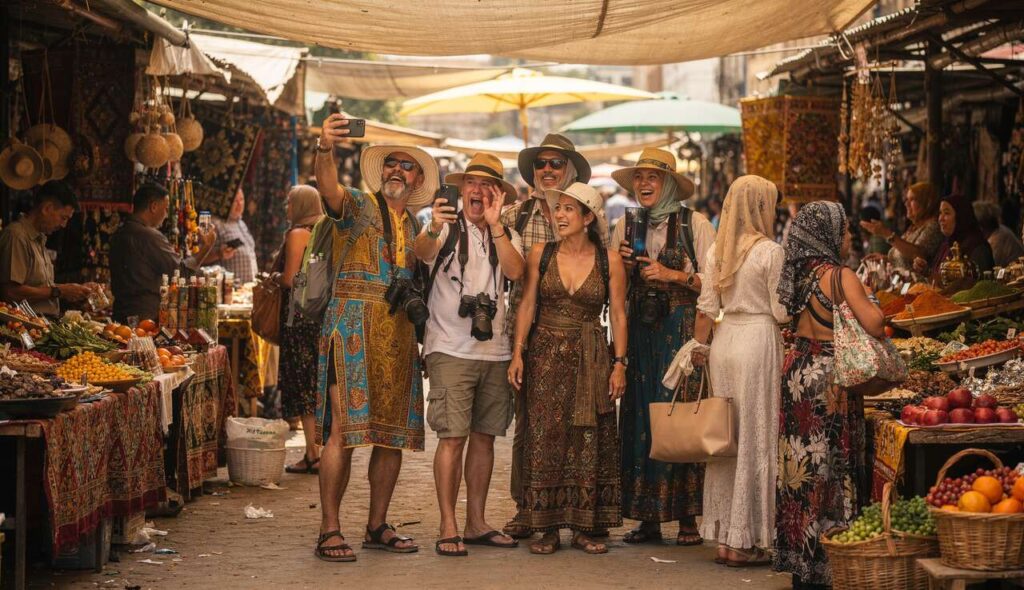
Travelling abroad opens doors to new experiences, yet many visitors inadvertently commit cultural faux pas that can offend locals or diminish their own experience. These mistakes often stem from a lack of awareness rather than malicious intent, but the impact remains the same. Understanding the subtle nuances of different cultures requires more than just reading a guidebook; it demands genuine attention to local customs, traditions, and unspoken rules. From seemingly innocent gestures to casual conversations, tourists frequently stumble into situations that leave both parties uncomfortable. Recognising these common pitfalls before embarking on your journey can transform your travels from awkward encounters into meaningful cultural exchanges.
Ignoring local customs
The importance of greeting rituals
Every culture possesses distinct greeting protocols that extend far beyond a simple hello. In many Asian countries, bowing demonstrates respect and the depth of the bow indicates the level of formality required. Meanwhile, in parts of the Middle East, refusing offered hospitality such as tea or coffee can be perceived as deeply insulting. Tourists often rush through these moments, unaware that first impressions carry significant weight in many societies.
Dress codes and modesty standards
Clothing choices represent another area where visitors frequently misstep. What seems perfectly acceptable beachwear in one country may cause genuine offence in another. Religious sites particularly demand appropriate attire, yet tourists regularly arrive in shorts, sleeveless tops, or revealing clothing. The following guidelines apply to most conservative destinations:
- Cover shoulders and knees when entering temples, mosques, or churches
- Remove shoes before entering sacred spaces or private homes
- Carry a scarf or shawl to quickly adapt to stricter dress requirements
- Research specific requirements for your destination beforehand
Photography restrictions and privacy
The ubiquitous smartphone camera has created new categories of cultural insensitivity. Snapping photos of locals without permission, particularly in traditional dress or during religious ceremonies, reduces people to tourist attractions. Some cultures believe photographs capture the soul, whilst others simply value their privacy. Always ask permission before photographing individuals, and respect signs prohibiting photography in certain areas.
Beyond physical customs, understanding the social fabric of a destination proves equally crucial for meaningful interactions.
Using inappropriate language
The pitfalls of direct translation
Language barriers create numerous opportunities for embarrassment when tourists rely solely on translation apps or phrasebooks. Direct word-for-word translations often miss cultural context, turning polite requests into demands or innocent questions into offensive remarks. In Japanese culture, for instance, the word “no” is rarely used directly, with speakers preferring indirect refusals that maintain harmony.
Volume and personal space considerations
Beyond vocabulary, the manner of speaking varies dramatically across cultures. Americans and Australians, known for their friendly openness, often speak at volumes that Scandinavians or Japanese find uncomfortably loud. The following table illustrates typical personal space preferences:
| Region | Comfortable distance | Communication style |
|---|---|---|
| Northern Europe | 75-90 cm | Quiet, reserved |
| Southern Europe | 45-60 cm | Animated, expressive |
| Middle East | 30-45 cm | Direct, engaged |
| East Asia | 90-120 cm | Formal, indirect |
Gestures that translate poorly
Hand gestures present another linguistic minefield. The thumbs-up sign, perfectly innocent in Western countries, carries offensive connotations in parts of the Middle East and South America. Similarly, the “OK” symbol formed with thumb and forefinger means something entirely different in Brazil, Turkey, and other nations. Even beckoning someone with a crooked finger, common in Western cultures, is considered extremely rude in the Philippines and other Asian countries.
Whilst language creates immediate barriers, the treatment of physical spaces and monuments reveals deeper cultural values.
Disrespecting historical heritage
Touching and climbing on monuments
Ancient structures have survived centuries, yet tourist behaviour threatens their preservation. Visitors regularly climb on statues for photographs, touch fragile frescoes, or carve initials into historic walls. These actions, often dismissed as harmless fun, cause irreversible damage. The oils from human hands degrade stone and paint, whilst physical pressure weakens structures already battling time and weathering.
Littering and environmental negligence
Heritage sites extend beyond buildings to encompass entire landscapes and ecosystems. Tourists frequently leave rubbish at sacred sites, remove stones or shells as souvenirs, and stray from designated paths, causing erosion. Such behaviour demonstrates fundamental disrespect for both the environment and the communities that consider these places sacred. Responsible tourism demands:
- Taking all rubbish with you, including organic waste
- Staying on marked trails to prevent environmental damage
- Leaving natural and historical objects where you find them
- Following guidelines set by site managers and local authorities
Inappropriate behaviour at solemn locations
Memorial sites, war graves, and places of tragedy require particular sensitivity, yet tourists often treat them as mere photo opportunities. Smiling selfies at concentration camps or playful poses at war memorials display shocking insensitivity to the suffering these places commemorate. Such locations demand quiet reflection and respectful behaviour that honours those who suffered there.
Just as physical spaces deserve respect, social situations require equally careful navigation of unwritten rules.
Unaware of etiquette
Dining customs and table manners
Mealtimes reveal complex social protocols that vary dramatically between cultures. In China, finishing all your food suggests the host provided insufficient quantities, whilst in Western countries, leaving food appears wasteful. Chopstick etiquette alone contains numerous rules: never stick them vertically in rice, avoid passing food chopstick-to-chopstick, and don’t use them to point at people. The following practices apply in various dining contexts:
- Wait for the host to begin eating before starting your meal
- Learn whether eating with hands, chopsticks, or cutlery is customary
- Understand tipping expectations, which range from offensive to mandatory
- Observe locals to gauge appropriate noise levels during meals
Gift-giving protocols
Presenting gifts seems universally positive, yet specific rules govern this practice across cultures. In Japan, the wrapping matters as much as the contents, and gifts are never opened in front of the giver. Chinese culture associates certain numbers and colours with death, making them inappropriate for gifts. Meanwhile, in some Middle Eastern countries, admiring an object in someone’s home obligates them to offer it as a gift.
Punctuality and time perception
Time itself holds different meanings across cultures. Germanic and Scandinavian societies view punctuality as a fundamental sign of respect, where arriving even five minutes late requires apology. Conversely, in many Latin American, African, and Middle Eastern cultures, relationships take precedence over schedules, and flexibility regarding time demonstrates understanding of human priorities over rigid timetables.
Whilst etiquette governs social behaviour, certain topics of conversation require even greater caution.
Discussing taboo subjects
Political opinions and national criticism
Tourists often feel entitled to share unsolicited opinions about local politics, government policies, or national issues. Such commentary, particularly criticism, can deeply offend hosts who feel protective of their country despite their own frustrations with it. What seems like friendly conversation to visitors may be perceived as arrogant interference from outsiders who lack full understanding of complex local situations.
Religious sensitivities and beliefs
Religion permeates daily life in many countries far more than in secular Western societies. Casual remarks about religious practices, questioning beliefs, or comparing religions can cause profound offence. Even well-intentioned questions about religious restrictions may be unwelcome. Visitors should approach religious topics with extreme caution and allow locals to initiate such discussions.
Personal questions and privacy boundaries
The line between friendly interest and invasive questioning shifts dramatically across cultures. Topics considered normal conversation starters in one country may violate privacy in another:
| Topic | Acceptable in | Problematic in |
|---|---|---|
| Income and salary | China, India | UK, Germany, Japan |
| Marriage and children | Middle East, Asia | Northern Europe, North America |
| Age | Most Asian countries | Western countries |
| Religion | Middle East | France, Scandinavia |
Food represents another area where assumptions and stereotypes frequently lead tourists astray.
Confusing gastronomy with food stereotypes
Expecting tourist-friendly versions
Many visitors arrive expecting sanitised versions of local cuisine adapted to Western palates, then express disappointment or disgust when encountering authentic dishes. This reaction insults local culinary traditions and the people who take pride in their food heritage. Traditional dishes evolved over centuries, reflecting local ingredients, climate, and cultural values, not tourist preferences.
Refusing to try local specialities
Declining to taste local foods, particularly when offered by hosts, communicates rejection of their culture. Whilst dietary restrictions and allergies deserve respect, tourists who refuse everything unfamiliar miss opportunities for cultural connection. Even sampling small portions demonstrates respect and openness. Common mistakes include:
- Demanding familiar Western food in traditional restaurants
- Complaining about spice levels, unfamiliar textures, or cooking methods
- Photographing food whilst making disparaging comments
- Comparing local cuisine unfavourably to versions from home
Misunderstanding food’s cultural significance
Food carries deep cultural meaning beyond mere sustenance. Sharing meals creates bonds, specific dishes mark important celebrations, and certain foods hold religious significance. Treating food casually or wastefully in cultures where it represents hospitality, community, or spirituality demonstrates profound insensitivity. Understanding these deeper meanings transforms dining from simple eating into cultural participation.
Successful travel requires more than visiting attractions; it demands genuine respect for different ways of life. The mistakes outlined above share a common thread: they stem from viewing one’s own cultural norms as universal rather than recognising them as simply one approach among many. Preparing for international travel means researching specific customs, remaining observant of local behaviour, and approaching differences with curiosity rather than judgement. When tourists make the effort to understand and respect local customs, language nuances, heritage sites, social etiquette, sensitive topics, and culinary traditions, they create positive experiences for themselves and their hosts. Cultural sensitivity transforms tourists into travellers, converting superficial visits into meaningful exchanges that benefit everyone involved.