



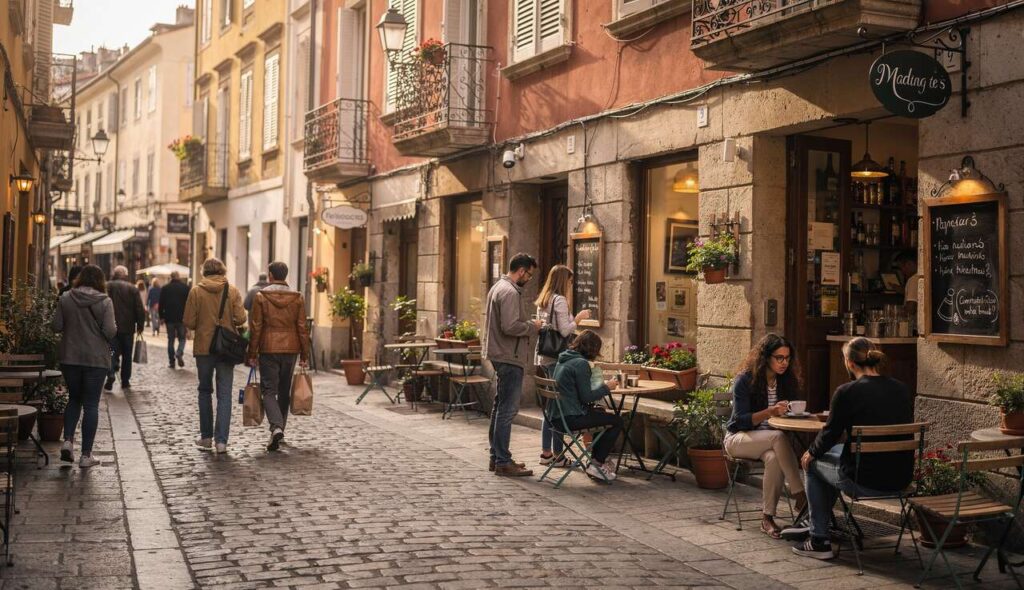
European travel doesn’t have to drain your savings. Whilst Paris commands premium prices for accommodation, dining and attractions, numerous captivating cities across the continent offer equally rich cultural experiences at significantly lower costs. These destinations combine architectural splendour, vibrant food scenes and fascinating history, all whilst leaving your wallet considerably heavier. From the colourful squares of Poland to the sun-drenched boulevards of Spain, these seven underrated cities prove that memorable European adventures needn’t come with Parisian price tags.
Exploring Wrocław: poland at a bargain
A city of islands and dwarfs
Wrocław sits on twelve islands connected by over 130 bridges, creating a distinctive urban landscape that rivals more famous European canal cities. The Old Town Square, Rynek, showcases colourful merchant houses rebuilt after wartime destruction, whilst the Gothic Old Town Hall stands as an architectural masterpiece. The city’s quirky claim to fame involves hundreds of small bronze dwarf statues scattered throughout the streets, turning sightseeing into an entertaining treasure hunt for visitors of all ages.
Budget-friendly accommodation and dining
Accommodation costs in Wrocław represent a fraction of Parisian rates. Travellers can expect to pay:
| Accommodation Type | Average Nightly Rate |
|---|---|
| Budget hostel | £12-18 |
| Mid-range hotel | £35-55 |
| Boutique hotel | £60-85 |
Polish cuisine delivers exceptional value, with traditional pierogi, żurek soup and hearty kotlet schabowy available at milk bars for under £4 per meal. Even upscale restaurants rarely exceed £20 per person for a complete dining experience with drinks.
Cultural attractions without the crowds
The city’s cultural offerings include Panorama Racławicka, a massive 360-degree painting depicting an 18th-century battle, and the stunning Centennial Hall, a UNESCO World Heritage Site. Most museums charge between £3-6 for entry, whilst simply wandering the atmospheric streets costs nothing. The seasonal flower displays in Szczytnicki Park provide Instagram-worthy backdrops without admission fees.
Beyond Poland’s borders, Portugal beckons with another exceptional value destination along its northern coast.
Porto: an affordable Portuguese getaway
Riverside charm and architectural wonders
Porto cascades down hillsides towards the Douro River, creating dramatic vistas of terracotta rooftops and historic buildings. The Ribeira district, with its medieval streets and waterfront cafés, offers endless exploration opportunities. The iconic Luís I Bridge provides free panoramic views, whilst the São Bento railway station dazzles visitors with over 20,000 azulejo tiles depicting Portuguese history.
Wine, food and affordability
Port wine cellars in Vila Nova de Gaia offer tours and tastings from £8-15, providing education and samples at prices unthinkable in French wine regions. The city’s culinary scene celebrates fresh seafood, with francesinha sandwiches and grilled sardines available for under £10. A decent bottle of local wine costs £4-6 in shops, whilst restaurant glasses start at £2.
- Traditional Portuguese breakfast with pastéis de nata: £3-5
- Three-course lunch menu: £8-12
- Evening meal at mid-range restaurant: £15-20
- Coffee at historic café: £1-1.50
Transport and practical savings
Porto’s compact size makes walking feasible, though the historic tram system offers charming transport for just £3 per journey. A metro day pass costs £6, connecting the airport to the city centre efficiently. Accommodation ranges from £15 hostels to £70 boutique hotels, with countless options in the £40-50 bracket offering excellent standards and central locations.
Venturing further east reveals an entirely different cultural landscape where affordability reaches new heights.
Tbilisi: georgian charm at a low cost
Where Europe meets Asia
Tbilisi straddles cultural boundaries, blending Soviet-era architecture with medieval churches, Persian-influenced bathhouses and ultra-modern structures. The Old Town’s wooden balconies overhang narrow streets, whilst cable cars ascend to Narikala Fortress for sweeping city views. The sulphur baths in Abanotubani district offer authentic relaxation experiences from just £5-10, compared to spa prices elsewhere in Europe.
Extraordinary value for money
Georgia’s capital ranks amongst Europe’s most affordable cities. A comfortable hotel room costs £25-40 nightly, whilst luxury options rarely exceed £80. Restaurant meals showcase the country’s distinctive cuisine, with khachapuri cheese bread, khinkali dumplings and grilled meats costing £5-8 for generous portions. Wine, integral to Georgian culture for over 8,000 years, costs as little as £3-4 per bottle in shops.
| Expense Category | Typical Cost |
|---|---|
| Metro single journey | £0.20 |
| Museum entry | £2-4 |
| Traditional restaurant meal | £6-10 |
| Local wine tasting | £8-12 |
Unique experiences and hospitality
The Georgian tradition of hospitality, stumari, means visitors often encounter unexpected generosity. Day trips to ancient cave cities, mountain monasteries and wine regions cost £15-25 including transport and guide. The city’s burgeoning arts scene, quirky cafés and vibrant nightlife operate at prices that allow extended enjoyment without budget concerns.
Returning to Central Europe, a small capital offers big savings alongside considerable charm.
The magic of Bratislava without breaking the bank
Compact capital with outsized appeal
Slovakia’s capital remains refreshingly unpretentious despite its proximity to Vienna. The Old Town centres around charming squares lined with pastel buildings, outdoor cafés and quirky statues. Bratislava Castle dominates the skyline, offering free grounds access and affordable museum entry at £6. The entire historic centre can be explored on foot within hours, though lingering in atmospheric courtyards and hidden gardens proves irresistible.
Affordable indulgence
Traditional Slovak cuisine emphasises hearty comfort food at remarkably low prices. Bryndzové halušky, potato dumplings with sheep cheese, costs £5-7 in restaurants, whilst schnitzel variations rarely exceed £10. Beer culture thrives here, with excellent local brews costing £1.50-2.50 per pint. Accommodation options span from £12 hostels to £55 hotels, with most offering spotless rooms and friendly service.
- Castle museum entry: £6
- Danube river cruise: £8-12
- Traditional lunch with drink: £7-9
- Evening theatre ticket: £10-20
Strategic location advantages
Bratislava’s position allows easy day trips to Vienna, Budapest or Austrian wine regions, with train tickets costing £10-15. This strategic placement enables multi-country exploration whilst maintaining a budget-friendly base. The city’s compact size means minimal transport costs, as walking suffices for most attractions.
The Baltic region presents yet another opportunity for cost-conscious travellers seeking architectural grandeur.
Riga: the Baltic gem at a gentle price
Art Nouveau splendour
Latvia’s capital boasts Europe’s finest concentration of Art Nouveau architecture, with over 800 buildings showcasing elaborate facades, mythological motifs and decorative flourishes. The Alberta iela district provides an open-air museum of this architectural movement, requiring only shoe leather for appreciation. The medieval Old Town, a UNESCO World Heritage Site, features cobbled streets, guild halls and St. Peter’s Church, whose tower offers panoramic views for £9.
Baltic affordability
Riga delivers Western European aesthetics at Eastern European prices. Accommodation ranges from £15 budget options to £60 upscale hotels, with excellent mid-range choices around £35-45. The Central Market, housed in former Zeppelin hangars, sells fresh produce, local delicacies and street food at minimal cost. Restaurant meals average £8-15, whilst the city’s numerous cafés serve coffee and pastries for under £5 combined.
Cultural richness and entertainment
The Latvian National Opera offers world-class performances with tickets from £10-30, compared to triple those prices in Western capitals. Museums charge £3-6 entry, covering topics from occupation history to contemporary art. The city’s parks, including Mežaparks with its woodland trails and beach access, provide free recreation. Evening entertainment in the Old Town’s bars and clubs remains remarkably affordable, with cocktails costing £4-6.
Spain’s Mediterranean coast offers the final destination where sunshine meets savings.
Valencia: spanish treasures at a lower cost
Mediterranean magnificence
Valencia combines beach access, futuristic architecture and medieval history in Spain’s third-largest city. The City of Arts and Sciences showcases Santiago Calatrava’s stunning modern structures, whilst the historic centre preserves Gothic buildings, baroque churches and the silk exchange, La Lonja. The Turia Gardens, created in a former riverbed, provide nine kilometres of green space perfect for cycling or strolling.
Paella and practical prices
As paella’s birthplace, Valencia offers authentic versions from £8-12 per person, significantly less than tourist-trap versions elsewhere. The Mercado Central buzzes with fresh produce, jamón ibérico and local specialities at market prices. Horchata, the local tiger nut drink, costs £2-3 with accompanying fartons pastries. Three-course menú del día lunches at neighbourhood restaurants rarely exceed £12.
| Valencia Expense | Approximate Cost |
|---|---|
| Beach access | Free |
| Bike rental (daily) | £8-12 |
| Museum entry | £4-8 |
| Mid-range hotel | £45-70 |
Year-round appeal
Valencia’s climate permits outdoor activities throughout the year, with over 300 sunny days annually. Beaches remain free, as does much of the city’s appeal, from architectural appreciation to park relaxation. The famous Fallas festival in March offers spectacular celebrations, though visiting outside peak periods reduces accommodation costs by 30-40%. Public transport proves efficient and affordable, with metro tickets at £1.50 and day passes under £5.
These seven cities demonstrate that European travel excellence needn’t correlate with expense. Each destination offers distinctive character, rich cultural experiences and memorable attractions whilst costing approximately half what visitors spend in Paris. From Wrocław’s whimsical dwarfs to Valencia’s sun-soaked beaches, from Tbilisi’s ancient wine traditions to Porto’s riverside charm, these underrated cities reward travellers with authentic experiences and substantial savings. Budget constraints need not limit European exploration when such remarkable alternatives await discovery.