



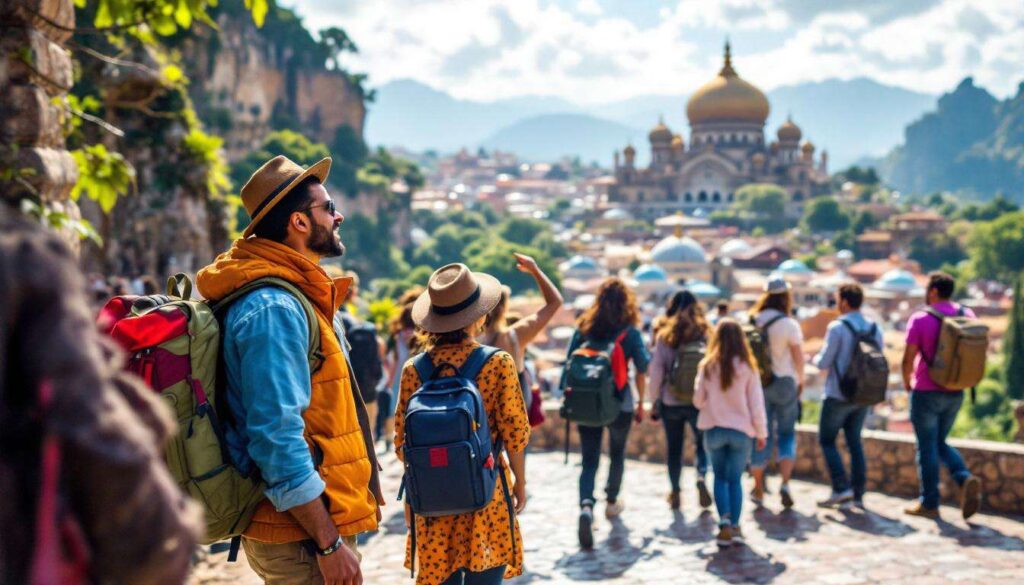
Exploring the world offers more than just a break from routine; it provides transformative experiences that broaden perspectives, challenge preconceptions, and create lasting memories. Certain destinations stand out for their unique blend of culture, history, natural beauty, and unforgettable experiences. Whether seeking ancient wonders, pristine landscapes, or vibrant traditions, these eight countries represent essential stops on any traveller’s bucket list. Each offers something distinctly different, yet all share the power to inspire and captivate visitors from every corner of the globe.
Cultural discovery: italy
Artistic heritage and architectural marvels
Italy stands as a living museum where Renaissance masterpieces and ancient Roman monuments coexist with contemporary life. From the Colosseum in Rome to the canals of Venice, the country showcases architectural brilliance spanning millennia. Florence’s Uffizi Gallery houses works by Michelangelo, Leonardo da Vinci, and Botticelli, whilst Milan’s Gothic cathedral demonstrates medieval craftsmanship at its finest. The Vatican City, though technically independent, offers visitors access to the Sistine Chapel’s ceiling, a testament to human creativity and devotion.
Culinary traditions and regional diversity
Italian cuisine extends far beyond pizza and pasta, with each region boasting distinctive flavours and traditional recipes passed down through generations. Visitors can experience:
- Authentic Neapolitan pizza in its birthplace
- Fresh seafood along the Amalfi Coast
- Truffle-infused dishes in Piedmont
- Traditional gelato from family-run establishments
- Wine tasting in Tuscany’s rolling vineyards
The Italian approach to dining emphasises quality ingredients, simplicity, and the social aspect of sharing meals, offering cultural insights alongside gastronomic pleasure.
Historical significance and timeless charm
Walking through Italian cities means traversing layers of history, from Etruscan settlements to Baroque piazzas. Pompeii’s preserved ruins provide a haunting glimpse into daily life during the Roman Empire, whilst the Tuscan countryside retains its medieval character. This historical depth creates an atmosphere where past and present merge seamlessly, enriching every experience.
Beyond Europe’s artistic treasures, the Southern Hemisphere beckons with landscapes that seem sculpted by imagination rather than geological processes.
Nature adventures in New Zealand
Diverse landscapes in compact geography
New Zealand packs extraordinary geographical diversity into a relatively small area, offering everything from subtropical beaches to alpine glaciers. The South Island features the dramatic Southern Alps, Milford Sound’s fjords, and turquoise lakes, whilst the North Island showcases geothermal wonders, volcanic peaks, and lush rainforests. This variety enables visitors to experience multiple ecosystems within days rather than weeks.
Adventure activities and outdoor pursuits
Recognised as the adventure capital of the world, New Zealand provides unparalleled opportunities for thrill-seekers and nature enthusiasts:
- Bungee jumping in Queenstown, birthplace of commercial bungee
- Hiking the renowned Milford Track through pristine wilderness
- Kayaking amongst dolphins and seals in Abel Tasman National Park
- Skiing world-class slopes during winter months
- Exploring glowworm caves in Waitomo
The country’s well-maintained infrastructure and safety standards make these activities accessible to varying skill levels, from beginners to experienced adventurers.
Indigenous culture and environmental stewardship
Māori culture remains integral to New Zealand’s identity, offering visitors authentic cultural experiences through traditional performances, art, and storytelling. The nation’s commitment to environmental conservation is evident in its extensive network of protected areas and innovative conservation programmes. This respect for nature and heritage creates a destination where adventure coexists with cultural sensitivity and ecological responsibility.
Whilst New Zealand showcases nature’s grandeur, another island nation offers a different kind of beauty rooted in ancient traditions and aesthetic refinement.
Mystical beauty of Japan
Harmony between tradition and innovation
Japan presents a fascinating paradox where cutting-edge technology exists alongside centuries-old customs. Tokyo’s neon-lit streets and high-speed trains contrast sharply with Kyoto’s serene temples and traditional tea ceremonies. This juxtaposition creates a unique atmosphere where visitors can experience both the future and the past within the same day, from robot restaurants to ancient Shinto shrines.
Seasonal transformations and natural beauty
The Japanese appreciation for seasonal change, known as mono no aware, elevates nature observation to an art form. Cherry blossom season draws millions to witness the fleeting beauty of sakura blooms, whilst autumn brings fiery foliage to mountain landscapes. The country’s varied geography offers:
- Snow-capped peaks perfect for winter sports
- Coastal regions with pristine beaches
- Bamboo groves creating otherworldly atmospheres
- Hot spring resorts nestled in mountain valleys
- Meticulously designed gardens reflecting philosophical principles
Culinary excellence and cultural etiquette
Japanese cuisine extends beyond sushi to encompass regional specialities, seasonal ingredients, and presentation that borders on artistic expression. From Michelin-starred establishments to humble ramen shops, the attention to detail and quality remains consistent. Understanding basic etiquette enhances the experience, whether navigating chopstick usage, removing shoes before entering certain spaces, or participating in communal bathing at onsen.
From Japan’s refined aesthetic, the journey continues to a destination where desert landscapes meet futuristic ambition.
Serenity and modernity in Dubai
Architectural ambition and urban development
Dubai’s skyline represents human ambition materialised in steel and glass, with the Burj Khalifa standing as the world’s tallest structure. The city has transformed from a modest trading port to a global metropolis within decades, creating attractions that defy conventional limitations. The Palm Jumeirah, an artificial archipelago visible from space, demonstrates the scale of development projects undertaken. Indoor ski slopes in a desert climate and underwater hotels showcase the city’s commitment to pushing boundaries.
Luxury experiences and shopping destinations
Dubai caters to those seeking premium experiences, from seven-star hotels to designer boutiques. The Dubai Mall offers more than retail therapy, featuring an aquarium, ice rink, and countless dining options under one roof. Traditional souks provide contrast, where visitors can haggle for gold, spices, and textiles in atmospheric settings that recall the city’s trading heritage.
Desert adventures and cultural insights
Beyond the urban spectacle, the surrounding desert offers authentic Arabian experiences:
- Dune bashing in 4×4 vehicles across golden sands
- Camel trekking at sunset
- Traditional Bedouin-style camps with cultural performances
- Falconry demonstrations showcasing Emirati heritage
- Stargazing in the clear desert night sky
This blend of modernity and tradition creates a destination unlike any other, where ancient customs meet contemporary luxury.
Whilst Dubai represents modern achievement, another destination offers a journey through civilisations that shaped human history.
Historical immersion in Egypt
Ancient wonders and archaeological treasures
Egypt’s monuments stand as testaments to one of history’s most influential civilisations. The Great Pyramids of Giza, the sole surviving ancient wonder, continue to inspire awe and scholarly debate. The Valley of the Kings reveals elaborately decorated tombs, whilst temples at Luxor and Karnak showcase architectural sophistication developed millennia ago. The Egyptian Museum in Cairo houses countless artefacts, including Tutankhamun’s golden treasures, providing tangible connections to the pharaonic past.
Nile River experiences and timeless landscapes
Cruising the Nile offers a unique perspective on Egyptian life, passing agricultural lands that have sustained civilisation for thousands of years. Traditional felucca sailboats provide peaceful journeys, whilst larger cruise ships offer comfort alongside historical exploration. The river remains central to Egyptian identity, just as it was in ancient times.
Cultural encounters and modern Egyptian life
Contemporary Egypt blends Islamic traditions with pharaonic heritage and modern influences. Cairo’s bustling markets, aromatic coffee houses, and calls to prayer create a sensory experience distinct from museum visits. Engaging with local communities, sampling traditional cuisine like koshari and ful medames, and witnessing daily life along the Nile provides cultural context to the ancient monuments.
From Egypt’s ancient stones, the journey shifts to tropical shores where relaxation meets cultural richness.
Exoticism and beaches in Thailand
Island paradises and coastal beauty
Thailand’s islands and beaches rank amongst the world’s most beautiful, offering crystal-clear waters, white sand, and dramatic limestone cliffs. Phuket, Koh Samui, and the Phi Phi Islands attract visitors seeking tropical perfection, whilst lesser-known destinations like Koh Lanta provide quieter alternatives. Snorkelling and diving reveal vibrant coral reefs teeming with marine life, from colourful fish to majestic manta rays.
Buddhist heritage and spiritual experiences
Over 40,000 Buddhist temples dot the Thai landscape, from Bangkok’s Grand Palace to northern mountain monasteries. These sacred spaces offer architectural beauty, artistic treasures, and opportunities for spiritual reflection. Visitors can participate in meditation retreats, receive blessings from monks, or simply observe the devotion that shapes Thai culture. The philosophy of sanuk, finding joy in life, permeates daily interactions and creates a welcoming atmosphere.
Culinary adventures and street food culture
Thai cuisine balances sweet, sour, salty, and spicy flavours with remarkable sophistication. Street food stalls serve authentic dishes at minimal cost, whilst high-end restaurants reinterpret traditional recipes. Cooking classes allow visitors to learn techniques and understand ingredient combinations. Popular experiences include:
- Sampling pad thai from riverside vendors
- Exploring night markets filled with food stalls
- Tasting regional specialities like northern khao soi
- Enjoying fresh tropical fruits from local markets
- Experiencing elaborate royal Thai cuisine
These eight countries represent diverse experiences that collectively offer comprehensive insights into human achievement, natural beauty, cultural richness, and historical significance. Each destination provides unique rewards, from Italy’s artistic legacy to New Zealand’s pristine landscapes, Japan’s refined traditions to Dubai’s modern marvels, Egypt’s ancient wonders to Thailand’s tropical allure. Visiting these places enriches understanding of our world’s diversity whilst creating memories that transcend ordinary tourism. The transformative power of travel becomes evident when experiencing these remarkable destinations, each offering lessons, inspiration, and perspectives that last long after returning home.