



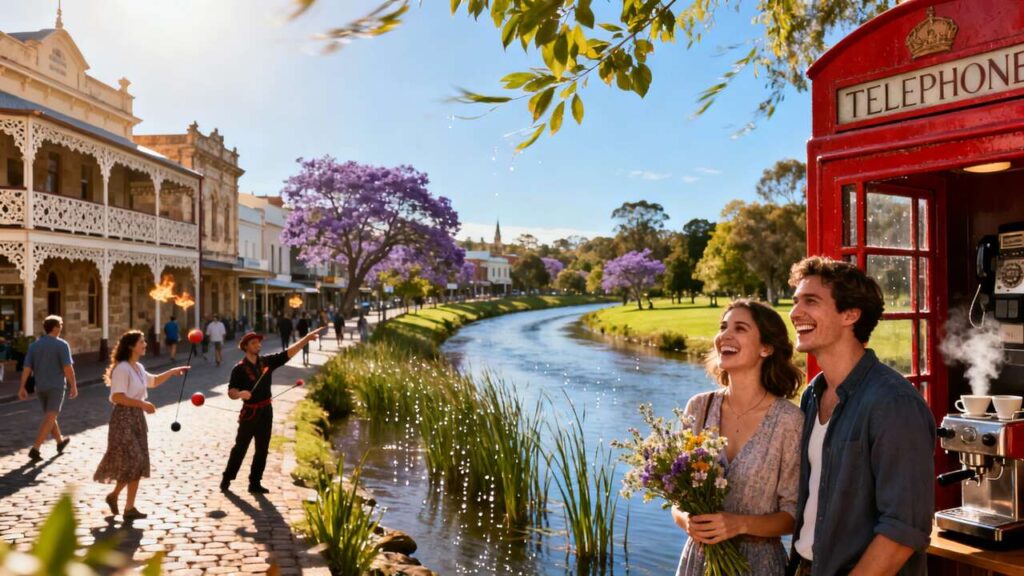
Australia’s small towns offer an enchanting escape from bustling urban centres, revealing the nation’s rich tapestry of history, culture, and natural splendour. These intimate communities showcase distinctive personalities shaped by their geographical settings, colonial heritage, and local traditions. From tropical coastal retreats to heritage-listed villages nestled in rolling hills, each destination presents travellers with authentic experiences that larger cities simply cannot replicate. The following exploration unveils eight of Australia’s most captivating small towns, where visitors discover warm hospitality, fascinating stories, and landscapes that remain etched in memory long after departure.
Picturesque discovery of Port Douglas, queensland
Tropical paradise meets sophisticated charm
Situated approximately 70 kilometres north of Cairns, Port Douglas combines laid-back tropical ambience with refined dining and accommodation options. The town’s centrepiece, Four Mile Beach, stretches along the Coral Sea with golden sands framed by swaying palm trees and azure waters. This idyllic setting provides the perfect backdrop for morning walks, swimming during stinger-free months, and spectacular sunrises that paint the sky in brilliant hues.
Gateway to natural wonders
Port Douglas serves as the premier launching point for exploring two UNESCO World Heritage Sites. The town’s strategic location offers unparalleled access to:
- The Great Barrier Reef, with numerous tour operators offering snorkelling and diving expeditions
- Daintree Rainforest, the world’s oldest tropical rainforest ecosystem
- Mossman Gorge, featuring crystal-clear swimming holes and indigenous cultural experiences
- Wildlife Habitat sanctuary, showcasing native Australian fauna in natural environments
The town’s Marina Mirage precinct buzzes with activity as visitors embark on reef adventures, whilst the historic Court House Museum provides insights into the region’s sugar cane and gold mining past. Sunday markets along Macrossan Street transform the main thoroughfare into a vibrant showcase of local arts, crafts, and tropical produce.
These natural attractions seamlessly connect to Tasmania’s equally compelling historical offerings.
Historic charm of Stanley, tasmania
The Nut dominates the landscape
Stanley’s most recognisable feature, The Nut, rises 152 metres above sea level as a flat-topped volcanic plug formed approximately 12.5 million years ago. Visitors can either tackle the steep walking track or take the chairlift to the summit, where 360-degree panoramic views reveal Bass Strait’s rugged coastline, surrounding farmland, and the town’s historic streetscape below. The summit walk takes approximately 20 minutes and rewards hikers with breathtaking vistas and opportunities to spot native wildlife.
Colonial heritage preserved
Founded in 1826, Stanley boasts an impressive collection of heritage-listed buildings that transport visitors to colonial times:
| Historic Site | Year Built | Significance |
|---|---|---|
| Highfield Historic Site | 1832 | Former headquarters of Van Diemen’s Land Company |
| Plough Inn | 1844 | Tasmania’s oldest continuously licensed hotel |
| Lyons Cottage | 1840s | Birthplace of former Prime Minister Joseph Lyons |
The town’s Church Street features beautifully preserved weatherboard cottages adorned with colourful gardens, whilst the working fishing fleet continues traditions established nearly two centuries ago. Local galleries showcase Tasmanian artists, and cosy cafés serve freshly caught seafood alongside regional wines.
Western Australia’s inland treasures offer contrasting historical experiences.
Heritage wealth of York, western australia
Western Australia’s first inland settlement
Established in 1831, York holds the distinction of being the state’s oldest inland town, predating Perth’s inland expansion. The town’s Avon Terrace presents an outstanding collection of 19th-century architecture, with heritage buildings lining the street in remarkable condition. Verandahed shopfronts, ornate facades, and period details transport visitors to the colonial era when York served as a vital agricultural and administrative centre.
Museums and cultural attractions
York’s commitment to preserving history manifests through several exceptional museums:
- York Motor Museum houses Australia’s largest collection of classic and vintage vehicles, with over 150 cars spanning automotive history
- The Old Gaol offers insights into colonial justice and convict life
- Residency Museum showcases domestic life in the 1850s within a beautifully restored magistrate’s residence
- Railway Station Museum celebrates the town’s connection to Western Australia’s railway development
The surrounding Avon Valley provides scenic picnic spots along the river, whilst Mount Brown offers panoramic views across agricultural landscapes. Annual events, including vintage car rallies and jazz festivals, maintain York’s vibrant community spirit whilst honouring its historical significance.
Victoria’s coastal communities present different charms entirely.
Coastal beauty of Sorrento, victoria
Mornington Peninsula jewel
Perched at the southern tip of the Mornington Peninsula, Sorrento captivates visitors with limestone cliffs, sheltered beaches, and elegant Victorian-era architecture. The town’s position between Port Phillip Bay and Bass Strait creates diverse coastal environments, from calm bay waters ideal for families to ocean beaches favoured by surfers and snorkellers.
Historical significance and modern attractions
Sorrento marks the site of Victoria’s first official European settlement in 1803, though the colony lasted merely four months. This brief occupation left lasting historical intrigue explored at the Collins Settlement Historic Site. The town subsequently developed as a fashionable seaside resort during the late 19th century, with grand hotels and limestone cottages reflecting this prosperous period.
Contemporary Sorrento offers:
- Ferry services to Queenscliff, providing scenic bay crossings
- Diving and snorkelling at numerous sites including the historic HMAS Canberra wreck
- Boutique shopping along Ocean Beach Road
- Award-winning restaurants showcasing peninsula produce and wines
- The historic Sorrento Hotel, operating since 1871
South Australia’s German heritage presents unique cultural experiences.
Germanic culture in Hahndorf, south australia
Australia’s oldest surviving German settlement
Founded in 1839 by Lutheran immigrants fleeing religious persecution, Hahndorf maintains its Germanic character through architecture, cuisine, and cultural traditions. The town’s main street features traditional fachwerk (half-timbered) buildings housing authentic German bakeries, butchers, and restaurants serving schnitzel, strudel, and locally brewed beer.
Cultural preservation and regional attractions
The Hahndorf Academy museum chronicles the German settlers’ journey and contributions to South Australian development, whilst numerous galleries display works by local artists. Proximity to the Adelaide Hills wine region makes Hahndorf an ideal base for exploring cellar doors producing exceptional cool-climate wines.
| Attraction Type | Notable Examples |
|---|---|
| Traditional Food | German smallgoods, pretzels, Black Forest cake |
| Nearby Wineries | 15+ cellar doors within 10 kilometres |
| Annual Events | Schützenfest (shooting festival), Christmas markets |
Western Australia’s coastal wilderness offers dramatic natural beauty.
Breathtaking nature of Esperance, western australia
Pristine beaches and turquoise waters
Esperance boasts some of Australia’s most spectacular beaches, with powdery white sand and impossibly blue waters creating postcard-perfect scenes. Lucky Bay, within Cape Le Grand National Park, consistently ranks among the world’s finest beaches, where friendly kangaroos often lounge on the sand alongside sunbathers.
Natural wonders and outdoor adventures
The region’s natural attractions extend beyond beaches:
- Cape Le Grand National Park offers hiking trails, granite peaks, and secluded coves
- The Archipelago of the Recherche comprises over 100 islands supporting diverse wildlife
- Pink Lake (though currently not pink due to salinity changes) remains a geological curiosity
- Great Ocean Drive provides 40 kilometres of coastal scenery
Marine life thrives in Esperance’s pristine waters, with opportunities for fishing, diving, and whale watching during migration seasons. The town maintains an unhurried pace, with local cafés, art galleries, and the Esperance Museum providing cultural diversions between beach visits.
Australia’s small towns collectively demonstrate the nation’s remarkable diversity, offering travellers authentic experiences that reveal local character, historical depth, and natural magnificence. Whether exploring tropical rainforests, colonial streetscapes, or pristine coastlines, these eight destinations provide compelling reasons to venture beyond major cities. Each town preserves unique stories whilst welcoming visitors with genuine hospitality, creating memorable encounters with Australia’s regional heart. These communities prove that the country’s true essence often resides in intimate settings where history, nature, and culture intertwine seamlessly.