



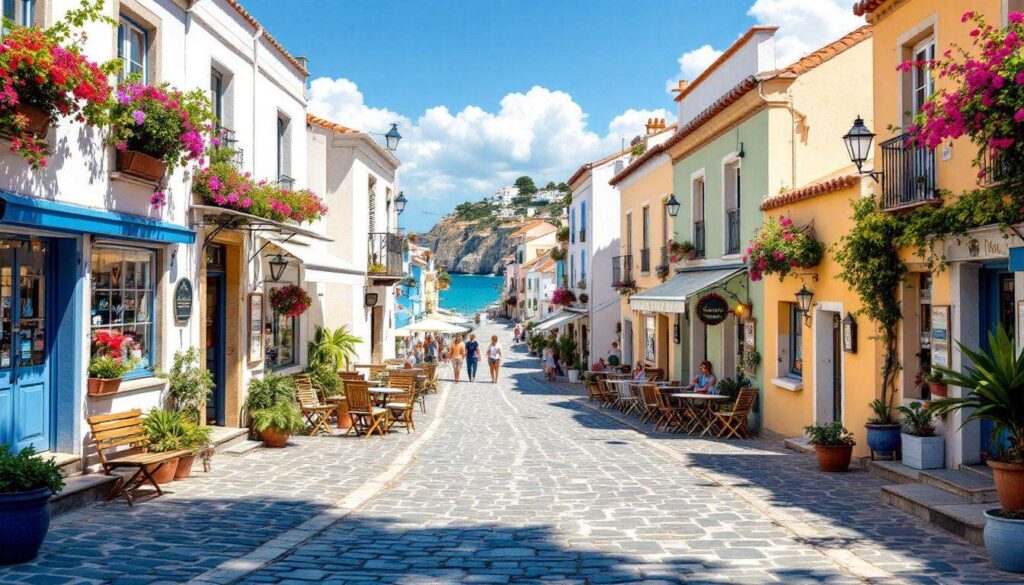
The Atlantic coast of France stretches over 1,200 kilometres of diverse landscapes, from rugged Breton headlands to the sun-drenched shores of the Basque Country. This remarkable coastline is punctuated by town centres that blend maritime heritage with contemporary vitality, offering visitors a rich tapestry of architectural splendour, cultural vibrancy and coastal charm. Each destination presents its own distinctive character, shaped by centuries of seafaring traditions, strategic military importance and the enduring relationship between land and sea. From fortified ramparts to elegant Belle Époque villas, these urban centres provide compelling reasons to explore beyond the beaches and discover the authentic spirit of Atlantic France.
Discovering Saint-Malo: corsair city and impregnable fortifications
The ramparts and their historical significance
Saint-Malo’s defining feature remains its comprehensive fortification system, constructed between the 12th and 18th centuries to protect this strategic port from English and Dutch invasion attempts. Walking the complete circuit of these ramparts provides a two-kilometre journey through military architecture, offering panoramic views across the harbour, the emerald waters beyond and the distinctive granite architecture of the intra-muros quarter. The walls themselves tell stories of countless sieges, with bastions, gates and defensive towers bearing witness to the city’s turbulent past as a corsair stronghold.
Corsair heritage and maritime traditions
The town centre celebrates its privateering legacy through numerous historical sites and museums. The Maison du Corsaire offers immersive experiences into the lives of these state-sanctioned pirates, whilst the tomb of the famous explorer Jacques Cartier in Saint-Vincent Cathedral reminds visitors of Saint-Malo’s role in global maritime exploration. The old town’s narrow streets contain numerous plaques and monuments dedicated to legendary figures such as Robert Surcouf, whose exploits against British shipping made him a national hero.
Contemporary life within ancient walls
Despite its historical character, Saint-Malo’s walled city thrives with modern commerce and gastronomy. Visitors can explore:
- Traditional crêperies serving authentic Breton specialities
- Seafood restaurants showcasing the daily catch from local fishing boats
- Boutiques offering regional products including salted caramel and cider
- Art galleries displaying contemporary and maritime-themed works
The Tuesday and Friday markets bring local producers into the heart of the old town, creating a vibrant atmosphere that connects present-day residents with centuries-old trading traditions. This seamless blend of preservation and vitality extends southward along the coast to another equally captivating Atlantic destination.
Coastal charm of La Rochelle: historical heritage and bustling markets
The iconic Old Port and its towers
La Rochelle’s Vieux Port serves as the beating heart of the town centre, flanked by the distinctive medieval towers that have guarded the harbour entrance since the 14th century. The Tour Saint-Nicolas and Tour de la Chaîne once supported a defensive chain stretched across the harbour mouth, whilst the Tour de la Lanterne functioned as both lighthouse and prison. These structures create an immediately recognisable silhouette that has become synonymous with the city itself, their honey-coloured stone glowing warmly in the Atlantic light.
Arcaded streets and architectural treasures
The town centre features an exceptional concentration of arcaded streets, unique in France for their extent and preservation. These covered walkways, primarily dating from the 17th and 18th centuries, create sheltered shopping corridors lined with half-timbered houses and elegant Renaissance façades. The Rue du Palais and Rue des Merciers showcase this distinctive urban planning, allowing visitors to explore the commercial heart of the city whilst protected from both sun and rain.
Market culture and gastronomic traditions
La Rochelle’s market scene reflects its dual identity as fishing port and agricultural centre. The covered market in Les Halles operates daily, offering:
| Market Section | Specialities | Peak Days |
|---|---|---|
| Seafood stalls | Oysters, mussels, sea bass | Wednesday, Saturday |
| Cheese vendors | Chabichou, Mothais sur feuille | All days |
| Produce section | Charentais melons, Île de Ré potatoes | Saturday, Sunday |
The Wednesday and Saturday outdoor markets expand throughout the surrounding streets, transforming the town centre into a vibrant trading hub that maintains centuries-old commercial traditions. Further south, another coastal town offers a different perspective on Atlantic living, one defined by sand and surf rather than historical fortifications.
Beach atmosphere of Les Sables-d’Olonne: beach and water activities
The Grande Plage and promenade culture
Les Sables-d’Olonne’s town centre embraces its beachfront identity with a magnificent three-kilometre promenade that connects the historical fishing quarter with modern resort amenities. The Grande Plage, a sweeping arc of golden sand, sits just metres from the commercial heart of the town, creating an unusual urban-coastal integration. The Remblai promenade, lined with Belle Époque villas and contemporary cafés, provides a social focal point where residents and visitors alike gather to watch the Atlantic breakers and enjoy the maritime atmosphere.
Water sports and maritime activities
The town centre’s proximity to excellent sailing waters has established Les Sables-d’Olonne as a premier water sports destination. The harbour area hosts:
- Sailing schools offering tuition from beginner to advanced levels
- Stand-up paddleboard and kayak rental facilities
- Surf shops providing equipment and local beach knowledge
- Fishing charter operators for deep-sea excursions
The town’s status as the starting point for the Vendée Globe single-handed round-the-world yacht race has cemented its reputation within international sailing circles, with the harbour area featuring interactive exhibitions and memorials to this gruelling competition.
The fishing quarter and culinary traditions
La Chaume, the historic fishing district accessible by footbridge, preserves the authentic maritime character often lost in resort towns. Narrow lanes wind between fishermen’s cottages, leading to seafood restaurants where the day’s catch appears on menus within hours of landing. The morning fish auction at the harbour provides a glimpse into the commercial reality that sustains this coastal economy, whilst the afternoon sees the same quayside transformed into a leisurely gathering place. Moving inland reveals urban centres where Atlantic influence mingles with broader cultural currents.
Rennes, cultural crossroads and vibrant dynamism
Historical centre and timber-framed architecture
Rennes presents a remarkable concentration of medieval timber-framed houses, particularly within the streets surrounding Place des Lices and Place Sainte-Anne. These structures, some dating to the 15th century, survived the devastating fire of 1720 that destroyed much of the city centre. Their distinctive overhanging upper floors and decorative carved beams create atmospheric lanes that contrast sharply with the classical 18th-century reconstruction evident in the grander squares and boulevards.
Cultural institutions and artistic vitality
The town centre hosts an impressive array of cultural venues that reflect Rennes’s status as Brittany’s administrative and intellectual capital. The Musée des Beaux-Arts houses one of France’s most significant provincial art collections, whilst the Opéra de Rennes and Théâtre National de Bretagne provide world-class performance programmes. The Champs Libres cultural complex combines library, science centre and Brittany museum under one distinctive contemporary roof, creating a hub for learning and discovery.
Student energy and contemporary scene
With over 60,000 students, Rennes possesses a youthful dynamism that permeates its town centre. This demographic reality manifests in:
- Numerous independent bookshops and record stores
- A thriving bar and live music scene, particularly around Rue Saint-Michel
- Innovative restaurants blending Breton traditions with international influences
- Regular street festivals and cultural events throughout the year
The Saturday morning market at Place des Lices, reputedly one of France’s finest, draws producers from across Brittany, creating a weekly celebration of regional gastronomy that unites all generations. Returning to the coast, the Atlantic’s most elegant resort town awaits exploration.
Stroll in Biarritz: elegance and iconic sites
Belle Époque heritage and architectural grandeur
Biarritz’s town centre showcases the architectural legacy of its imperial past, when Empress Eugénie established it as the summer residence of Napoleon III’s court. The Casino Municipal, Hôtel du Palais and numerous Belle Époque villas demonstrate the opulent aesthetic of this era, their ornate façades and manicured gardens creating an atmosphere of refined leisure. The Art Deco influence of the 1920s and 1930s adds another layer to this architectural palimpsest, particularly evident in the former casino buildings and seafront hotels.
The Grande Plage and coastal landmarks
The town centre’s relationship with the ocean defines its essential character. The Grande Plage, sheltered within a sweeping bay, provides the focal point for social life, its distinctive striped bathing tents becoming an iconic symbol of Biarritz style. The Rocher de la Vierge, accessed by a footbridge designed by Gustave Eiffel, offers dramatic views across the Basque coastline, whilst the old port area retains vestiges of the town’s whaling heritage.
Basque culture and gastronomic excellence
Despite its cosmopolitan veneer, Biarritz maintains strong connections to Basque traditions. The town centre features:
| Cultural Element | Location | Characteristics |
|---|---|---|
| Basque pelota | Multiple frontons | Traditional handball courts |
| Pintxos bars | Halles district | Basque tapas culture |
| Chocolate shops | Throughout centre | Artisanal Basque chocolate |
The covered market and surrounding streets offer exceptional access to regional specialities, from Espelette peppers to sheep’s milk cheese, whilst high-end restaurants interpret these ingredients through contemporary culinary techniques. Travelling northward into Brittany reveals a town where medieval atmosphere remains remarkably intact.
Dinan, medieval treasure and cobbled streets
Fortifications and defensive architecture
Dinan preserves one of Europe’s most complete medieval fortification systems, with nearly three kilometres of ramparts encircling the old town. The 14th-century castle, dominated by the imposing Duchess Anne Tower, demonstrates the military architecture that protected this strategic position above the Rance valley. Walking the wall-walk provides perspectives across both the medieval townscape within and the surrounding Breton countryside, offering insight into the defensive considerations that shaped urban development.
Timber-framed houses and artisan quarters
The town centre contains over one hundred protected historical buildings, many dating from the 15th and 16th centuries. The Rue du Jerzual, descending steeply from the old town to the port, showcases exceptional timber-framed architecture, its cobbled surface worn smooth by centuries of foot traffic. This street and the parallel Rue du Petit Fort house numerous artisan workshops and galleries, maintaining craft traditions that include:
- Traditional weaving and textile production
- Stained glass creation and restoration
- Pottery and ceramic arts
- Leatherwork and bookbinding
Market traditions and regional gastronomy
Dinan’s Thursday market, held in the Place du Guesclin and surrounding streets since medieval times, brings regional producers into the heart of the old town. Local cider, galettes, andouille sausage and other Breton specialities feature prominently, whilst the permanent shops along Rue de la Cordonnerie and Rue de l’Horloge offer year-round access to quality regional products. The town’s restaurants serve traditional Breton cuisine within settings that range from ancient stone-walled establishments to timber-framed dining rooms, creating an immersive historical dining experience.
The Atlantic coast’s town centres offer remarkably diverse experiences whilst sharing common threads of maritime heritage, architectural distinction and cultural vitality. From Saint-Malo’s corsair ramparts to Biarritz’s Belle Époque elegance, from La Rochelle’s arcaded streets to Dinan’s medieval preservation, each destination provides compelling reasons to explore beyond coastal landscapes. These urban centres demonstrate how historical legacy and contemporary life can coexist productively, creating places where visitors discover authentic regional character alongside modern amenities. Whether drawn by fortifications, markets, beaches or cultural offerings, travellers find that these Atlantic towns reward exploration with experiences that extend far beyond typical seaside attractions.