



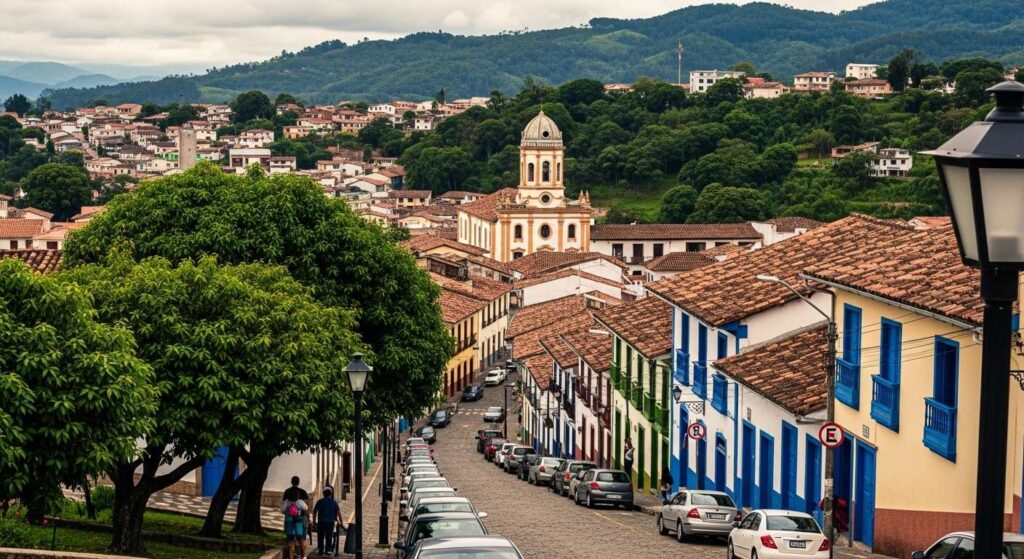
South America beckons travellers with its extraordinary diversity, from towering Andean peaks to lush rainforests and vibrant coastal cities. Yet many potential visitors remain hesitant, deterred by misconceptions about safety and concerns over escalating travel costs. Whilst iconic destinations like Rio de Janeiro and Buenos Aires dominate travel itineraries, a wealth of lesser-known cities offers equally captivating experiences at a fraction of the price, with welcoming communities and manageable safety considerations that make exploration both accessible and rewarding.
Introduction: why visit the lesser-known cities of South America ?
The continent’s hidden urban treasures present a compelling alternative to overcrowded tourist hotspots. These undiscovered destinations provide authentic cultural immersion without the premium price tags attached to major metropolitan areas. Travellers seeking genuine connections with local communities will find these cities offer unfiltered glimpses into South American daily life, from bustling markets to neighbourhood festivals that rarely appear in guidebooks.
Budget considerations become significantly more manageable in these locations. Accommodation costs typically run 30-50% lower than in capital cities, whilst meals at local establishments remain remarkably affordable. Safety concerns, whilst requiring the usual urban precautions, prove far less daunting than sensationalist media coverage might suggest, particularly in smaller cities where community cohesion remains strong.
Beyond practical advantages, these destinations reward curious travellers with distinctive character. Each city possesses its own rhythm and personality, shaped by unique historical trajectories and geographical settings that differentiate them from their more famous counterparts. Understanding what makes these places special requires examining them individually.
Cali: a gem nestled among the mountains
Colombia’s salsa capital offers vibrant culture
Cali stands as Colombia’s third-largest city, yet it remains refreshingly absent from most international tourist circuits. Known as the world capital of salsa, this dynamic metropolis pulses with infectious energy. The city’s cultural vitality manifests in countless dance schools, live music venues, and spontaneous street performances that transform ordinary evenings into memorable experiences.
- Average daily budget: £25-35 per person including accommodation
- Abundant hostels and guesthouses from £8-15 per night
- Local meals available from £2-4 in traditional restaurants
- Free salsa lessons offered in numerous public spaces
Safety and practical considerations
Cali has undertaken significant improvements in public safety over recent years. Neighbourhoods like San Antonio and Granada provide secure environments for exploration, with well-lit streets and visible police presence. Standard precautions apply: avoid displaying expensive items, use registered taxis or ride-sharing applications, and stick to recommended areas after dark.
The city’s geographical position in the Cauca Valley provides easy access to surrounding natural attractions, including coffee plantations and mountain trails. This combination of urban excitement and natural beauty creates diverse possibilities for different travel styles. Another South American destination offers an entirely different appeal through its renowned wine culture and mountain landscapes.
Mendoza: between vineyards and mountains
Argentina’s wine country at accessible prices
Mendoza province produces over 70% of Argentina’s wine, yet the city itself remains surprisingly affordable compared to other wine regions globally. Visitors can explore world-class wineries without the premium costs associated with Napa Valley or Bordeaux. The laid-back atmosphere and stunning Andean backdrop create an ideal setting for relaxation and exploration.
| Expense Category | Average Cost (£) |
|---|---|
| Budget accommodation (per night) | 12-20 |
| Mid-range hotel (per night) | 30-50 |
| Winery tour with tastings | 15-25 |
| Restaurant meal (three courses) | 10-18 |
| Local bus transport | 0.50-1 |
Outdoor adventures and urban charm
Beyond viticulture, Mendoza serves as a gateway to Aconcagua, the highest peak in the Americas. Trekking opportunities abound for all skill levels, from gentle vineyard walks to challenging mountain expeditions. The city centre features tree-lined avenues, pleasant plazas, and an efficient public transport system that simplifies navigation.
Safety levels in Mendoza rank among the highest in Argentina. The city’s compact layout and pedestrian-friendly design encourage exploration on foot, whilst the local population demonstrates genuine hospitality towards visitors. Moving from mountain landscapes to coastal scenery, another destination offers artistic flair and bohemian character.
Valparaíso: an artistic city at affordable prices
Chile’s colourful port city
Valparaíso captivates visitors with its kaleidoscopic hillside houses and thriving street art scene. This UNESCO World Heritage Site functions as Chile’s legislative capital and principal port, yet maintains a distinctly bohemian atmosphere. The city’s creative energy permeates every neighbourhood, with murals adorning walls and impromptu performances enlivening public spaces.
Historic funiculars transport visitors up steep cerros (hills), each offering unique perspectives and distinct personalities. Cerro Concepción and Cerro Alegre contain the highest concentration of galleries, cafés, and boutique accommodations, whilst other hills provide more authentic residential experiences.
Budget-friendly exploration
Accommodation options span all price ranges, with excellent hostels available from £10 per night. The city’s compact nature means most attractions remain within walking distance, eliminating transport costs. Local markets offer fresh produce and prepared foods at minimal expense, whilst seafood restaurants provide exceptional value given the port location.
- Free walking tours operate daily through main neighbourhoods
- Municipal museums charge nominal entrance fees (£1-2)
- Street art viewing costs nothing but rewards extensively
- Beach access in nearby Viña del Mar remains completely free
Valparaíso’s safety situation requires awareness but shouldn’t deter visitors. Stick to well-travelled areas during daylight hours and use taxis for evening returns. The vibrant artistic community and coastal setting provide different attractions than another destination favoured by wave riders.
Huanchaco: paradise for surf enthusiasts
Peru’s traditional fishing village
Located near Trujillo on Peru’s northern coast, Huanchaco preserves ancient fishing traditions whilst embracing modern surf culture. Local fishermen still use caballitos de totora (reed boats) that have plied these waters for over 3,000 years. This unique cultural continuity distinguishes Huanchaco from generic beach destinations.
The consistent Pacific swells attract surfers year-round, with waves suitable for beginners and experienced riders alike. Surf schools line the beachfront, offering lessons from £12-18 including board rental. The relaxed pace and stunning sunsets create an atmosphere conducive to extended stays.
Exceptional value for extended visits
Huanchaco’s affordability makes it particularly attractive for longer visits. Monthly room rentals start around £200-300, whilst daily meals rarely exceed £5-7. The proximity to Trujillo provides access to significant archaeological sites including Chan Chan, the world’s largest adobe city, without sacrificing the tranquil beach environment.
Safety concerns remain minimal in this tight-knit community where tourism supports local livelihoods. Standard beach precautions apply regarding belongings, but violent crime remains exceptionally rare. Understanding how to manage finances and safety across these diverse destinations requires practical guidance.
Budget and safety: travel without worries in South America
Financial planning for extended exploration
Successful budget travel in South America requires strategic planning rather than constant deprivation. These lesser-known cities enable comfortable experiences on £30-50 daily budgets, including accommodation, meals, and activities. Cooking occasional meals, choosing local transport, and seeking free attractions extends resources considerably.
Currency fluctuations can work in travellers’ favour, particularly in Argentina where parallel exchange rates may offer advantages. Carrying a mix of cash and cards provides flexibility, whilst notifying banks of travel plans prevents card blocks at inconvenient moments.
Practical safety measures
Common-sense precautions prove sufficient in these destinations. Researching neighbourhood reputations, avoiding isolated areas after dark, and maintaining awareness of surroundings form the foundation of safe travel. Blending in through modest dress and avoiding obvious tourist behaviours reduces unwanted attention.
Registering with your embassy, maintaining copies of important documents, and sharing itineraries with trusted contacts provides additional security layers. Travel insurance remains essential, covering medical emergencies and potential disruptions.
These remarkable South American cities demonstrate that memorable travel experiences need not require substantial financial resources or acceptance of undue risk. Cali’s infectious rhythms, Mendoza’s vine-covered valleys, Valparaíso’s artistic hillsides, and Huanchaco’s ancient maritime traditions each offer distinctive rewards to adventurous travellers willing to venture beyond conventional itineraries. By choosing these affordable and welcoming destinations, visitors gain authentic insights into South American life whilst preserving resources for extended exploration. The continent’s hidden treasures await those prepared to seek them out, promising experiences that rival or surpass their more famous counterparts at a fraction of the cost.