



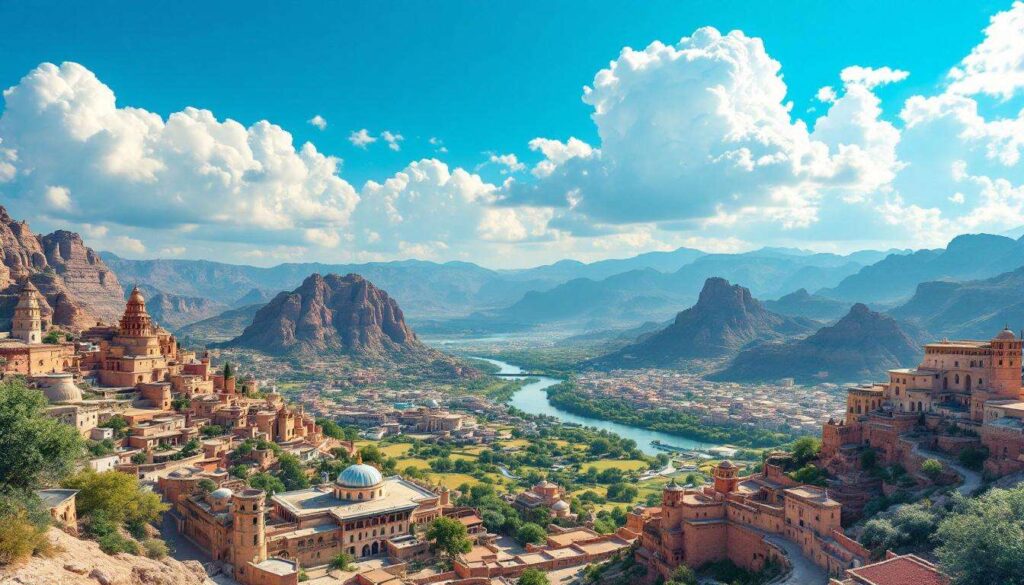
Most travellers stick to well-trodden paths, visiting the same handful of iconic cities and landmarks that dominate Instagram feeds and travel brochures. Yet beyond these familiar destinations lies a world of extraordinary places that remain largely untouched by mass tourism. These hidden corners of the globe offer experiences that few will ever encounter, from ancient civilisations preserved in isolation to landscapes so remote they appear on few maps. Reaching these destinations requires determination, careful planning, and often a willingness to embrace discomfort, but those who make the journey gain bragging rights that separate them from casual holidaymakers.
Destinations unknown to travellers
The appeal of obscurity
Certain destinations remain off the radar simply because they lack the infrastructure or marketing that draws crowds elsewhere. Socotra Island in Yemen, often called the most alien-looking place on Earth, hosts plant species found nowhere else on the planet. Its dragon’s blood trees and bottle trees create landscapes that resemble science fiction more than reality. Political instability and limited flights keep visitor numbers extraordinarily low, with fewer than 5,000 tourists reaching the island annually.
Remote island territories
The Kerguelen Islands in the southern Indian Ocean represent one of the most isolated places accessible to civilians. This French territory hosts no permanent civilian population, only a rotating scientific base of around 50 researchers. The islands lie over 3,300 kilometres from the nearest inhabited land, creating a sense of isolation few places can match.
- No commercial flights service the islands
- Access requires a six-day sea voyage from Réunion
- Visitors must obtain special permission from French authorities
- The landscape features glaciers, fjords, and unique subantarctic wildlife
These barriers to entry ensure that anyone who sets foot on Kerguelen joins an extremely exclusive club. The harsh climate and logistical challenges of reaching these forgotten territories set the stage for even more extreme environments.
Deserts and isolated lands
The Empty Quarter
The Rub’ al Khali, or Empty Quarter, stretches across parts of Saudi Arabia, Oman, Yemen, and the United Arab Emirates. This vast sand desert covers approximately 650,000 square kilometres, making it the largest continuous sand desert on Earth. Summer temperatures regularly exceed 50°C, and some areas receive no rainfall for years. Bedouin guides remain essential for safe passage, as GPS signals prove unreliable amongst the constantly shifting dunes.
The Danakil Depression
Ethiopia’s Danakil Depression ranks amongst the hottest and most inhospitable places humans can visit. This geological wonder sits 125 metres below sea level and features active volcanoes, acidic hot springs, and vast salt flats that shimmer under relentless heat.
| Feature | Detail |
|---|---|
| Average temperature | 34°C year-round |
| Highest recorded temperature | 63°C |
| Annual visitors | Approximately 1,000 |
| Armed escort requirement | Mandatory due to regional conflicts |
The neon-yellow sulphur fields and blood-red mineral deposits create an otherworldly palette that photographers treasure despite the extreme conditions. Beyond these harsh natural environments lie human creations equally deserving of attention.
Forgotten architectural wonders
Meroë pyramids
Whilst Egypt’s pyramids attract millions, Sudan’s Meroë pyramids stand in relative solitude. This UNESCO World Heritage site contains over 200 pyramids built by the Kingdom of Kush, yet receives fewer than 15,000 visitors annually. The pyramids rise from desert sands with no crowds, no queues, and no tourist infrastructure to speak of, offering an experience impossible at their more famous Egyptian counterparts.
The rock churches of Lalibela
Ethiopia’s Lalibela contains eleven medieval churches carved directly from solid rock, each excavated downwards into the earth rather than built upwards. Created in the 12th and 13th centuries, these architectural marvels remain active places of worship. Despite their significance, Lalibela’s remote location in Ethiopia’s highlands keeps visitor numbers manageable.
- Churches carved from single blocks of stone
- Complex tunnel systems connect the structures
- Priests still conduct services in ancient Ge’ez language
- Access requires navigating challenging mountain roads
These monuments demonstrate how architectural brilliance can exist far from tourist circuits. The cultures that created such wonders continue to thrive in isolation.
Ancient cultures and traditions
The Kalash people
In Pakistan’s remote Chitral Valley, the Kalash people maintain pre-Islamic traditions that have survived for millennia. This small community of approximately 4,000 individuals practises polytheistic beliefs, performs unique dances, and wears distinctive colourful dress that sets them apart from surrounding Muslim populations. Reaching their valleys requires navigating mountain roads that close for months during winter, naturally limiting visitor numbers.
Bhutan’s eastern valleys
Whilst western Bhutan sees modest tourism, the country’s eastern regions remain largely untouched by outside visitors. Villages in districts like Merak and Sakteng preserve semi-nomadic lifestyles, with inhabitants wearing yak-hair clothing and speaking dialects incomprehensible to other Bhutanese. The government’s high-value, low-impact tourism policy, combined with poor road access, keeps these areas pristine. These living cultures exist within landscapes equally untouched by human activity.
Little explored natural landscapes
The tepuis of Venezuela
Venezuela’s tepuis are table-top mountains that rise abruptly from the jungle, creating isolated ecosystems atop their flat summits. Mount Roraima, the most accessible tepui, still requires a challenging multi-day trek to reach. Other tepuis have been visited by fewer than 100 people, with some summit ecosystems remaining completely unexplored by scientists.
Kamchatka Peninsula
Russia’s Kamchatka Peninsula contains more active volcanoes than anywhere else on Earth, yet remains one of the least visited wilderness areas. The region hosts 29 active volcanoes, vast salmon runs that attract the world’s largest brown bears, and geothermal features rivalling Yellowstone.
| Aspect | Statistic |
|---|---|
| Land area | 472,300 km² |
| Population density | 0.7 people per km² |
| Annual international visitors | Approximately 8,000 |
| Road connection to mainland Russia | None |
Access requires expensive flights or lengthy sea voyages, ensuring that Kamchatka’s pristine wilderness remains largely undisturbed. Experiencing these remarkable places demands more than simply booking a flight.
The savvy traveller’s challenges
Logistical complexities
Visiting truly remote destinations requires meticulous planning that goes far beyond standard travel arrangements. Visa requirements for places like Turkmenistan or Saudi Arabia can take months to secure, often requiring invitation letters or government approval. Transportation options may be limited to infrequent flights, chartered boats, or overland journeys measured in days rather than hours.
Physical and mental demands
These destinations test travellers in ways beach resorts never will. Altitude sickness affects many visitors to high-altitude sites like the Changtang Plateau in Tibet. Extreme temperatures in deserts and polar regions require proper equipment and acclimatisation. Limited medical facilities mean that minor injuries or illnesses can become serious concerns.
- Physical fitness requirements for trekking and climbing
- Tolerance for basic accommodation or camping
- Flexibility when transport delays occur
- Cultural sensitivity in traditional communities
- Self-sufficiency in areas without tourist services
Financial investment
Reaching obscure destinations typically costs significantly more than mainstream alternatives. Charter flights, specialist guides, permits, and security arrangements add up quickly. A journey to Antarctica or the Kerguelen Islands can cost tens of thousands of pounds, whilst even relatively accessible places like Bhutan’s eastern valleys require substantial budgets due to government-mandated daily fees and limited infrastructure.
The rewards for overcoming these obstacles extend beyond photographs and memories. Travellers who venture to these places gain perspectives impossible to acquire from guidebook favourites. They witness landscapes and cultures in states of authenticity that mass tourism inevitably erodes. The challenges themselves become part of the achievement, transforming travel from passive consumption into active accomplishment. These dozen destinations represent not just places on a map but proof of curiosity, determination, and a genuine desire to understand our planet’s remarkable diversity beyond its most marketed attractions.