



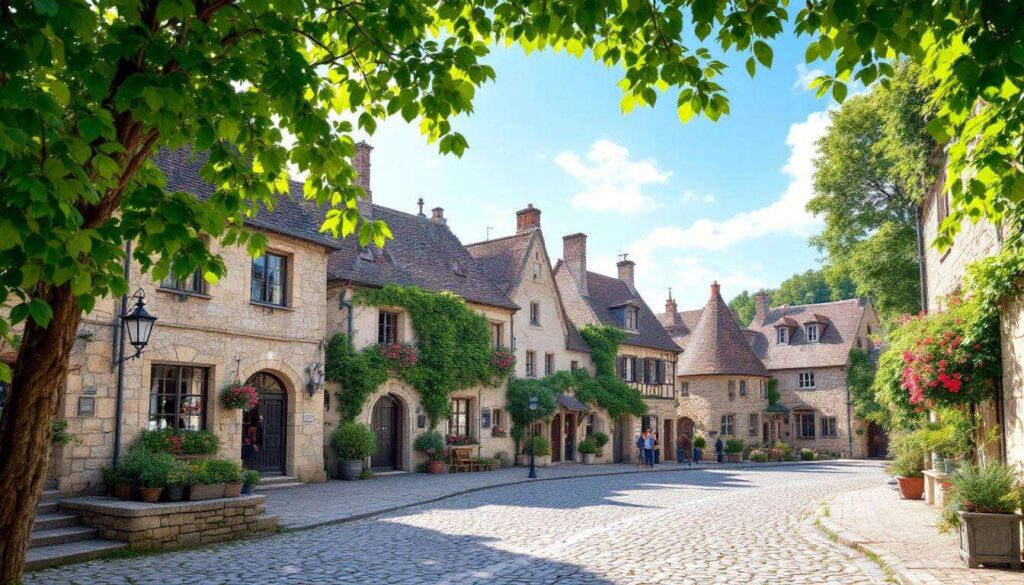
Nestled in the heart of Europe, a remarkably well-preserved medieval settlement offers travellers an authentic glimpse into centuries past without the overwhelming tourist crowds that plague more famous destinations. This affordable gem combines architectural splendour, rich cultural heritage and genuine local atmosphere, making it an ideal choice for those seeking an immersive historical experience away from the beaten path.
Discovering a medieval jewel in Europe
The enchanting town of Visby
Located on the Swedish island of Gotland in the Baltic Sea, Visby stands as one of Europe’s most extraordinary medieval towns. This UNESCO World Heritage Site boasts an exceptionally intact 13th-century ring wall that stretches approximately 3.4 kilometres around the old town centre. Unlike many European destinations where medieval architecture has been heavily reconstructed, Visby’s structures remain remarkably authentic, offering visitors a genuine connection to the past.
Why Visby remains relatively unknown
Despite its outstanding historical significance, Visby maintains a low profile among international tourists for several reasons:
- Its island location requires additional travel planning beyond standard European routes
- Limited direct international flights mean most visitors must transit through Stockholm
- Marketing efforts have traditionally focused on Scandinavian markets rather than global audiences
- The town’s peak season coincides with the brief Nordic summer, limiting year-round visibility
This relative obscurity works in favour of discerning travellers who appreciate authentic experiences over Instagram hotspots. These geographical and logistical factors naturally lead to questions about how this remarkable settlement came to be and what historical forces shaped its distinctive character.
History and heritage of the town
The Hanseatic League era
Visby’s golden age began in the 12th century when it became a principal trading centre within the Hanseatic League, a powerful commercial confederation of merchant guilds. During this period, the town flourished as a crucial link between Western Europe and the Baltic regions, with merchants trading goods ranging from furs and amber to textiles and spices. The wealth generated during this era funded the construction of magnificent churches, defensive walls and merchant houses that still define the townscape today.
Architectural treasures and ruins
The town contains an extraordinary concentration of medieval structures:
| Structure Type | Number | Condition |
|---|---|---|
| Church ruins | 13 | Preserved as atmospheric ruins |
| Complete churches | 1 (St. Mary’s Cathedral) | Fully functional |
| Medieval towers | 44 | Integrated into town wall |
| Merchant houses | 200+ | Restored and inhabited |
The haunting church ruins scattered throughout Visby create a particularly evocative atmosphere, especially during summer evenings when the low northern sun casts dramatic shadows across ancient stonework. Understanding this rich historical context enhances appreciation for how the town has managed to preserve its medieval character whilst remaining remarkably accessible to modern visitors.
A medieval charm preserved from crowds
Authentic atmosphere without mass tourism
Visby offers a refreshingly genuine experience compared to overtouristed medieval destinations like Bruges or Rothenburg ob der Tauber. The town’s permanent population of approximately 24,000 residents maintains a living community rather than a museum-like setting. Local shops, cafés and businesses cater primarily to residents, creating an authentic urban fabric where visitors can observe daily Scandinavian life unfolding within medieval walls.
Seasonal visitor patterns
Tourist numbers remain manageable throughout most of the year, with notable exceptions:
- Medieval Week in August attracts approximately 40,000 visitors but transforms the town into a vibrant historical festival
- Summer weekends see increased domestic tourism from mainland Sweden
- Spring and autumn offer virtually crowd-free exploration opportunities
- Winter months provide solitude but require preparation for harsh Baltic weather
This balanced approach to tourism preservation allows the town to maintain its historical integrity whilst welcoming visitors who respect its cultural significance. Having established why Visby remains pleasantly uncrowded, attention naturally turns to the specific experiences awaiting those who make the journey.
Must-see activities to explore
Walking the medieval walls
The town wall represents Europe’s best-preserved medieval fortification and provides an essential orientation to Visby’s layout. Visitors can walk alongside substantial portions of the 3.4-kilometre structure, accessing several towers that offer panoramic views across terracotta rooftops towards the Baltic Sea. The Powder Tower and Maiden’s Tower stand as particularly impressive examples of 13th-century military architecture.
Exploring church ruins and museums
Key cultural attractions include:
- St. Mary’s Cathedral: the only medieval church still functioning for worship, featuring impressive Gothic architecture
- Gotland Museum: housing Viking artefacts, medieval treasures and the remarkable Spillings Hoard of silver coins
- St. Nicolai Ruin: atmospheric remains hosting summer concerts and performances
- Botanical Gardens: showcasing plants within ruins of St. Olof’s Church
Beyond the town walls
Gotland island offers additional attractions within easy reach of Visby, including dramatic limestone sea stacks at Fårö, Bronze Age burial sites and secluded beaches along the coastline. These complementary experiences allow visitors to appreciate the broader context of Visby’s medieval prosperity. After exploring these historical and natural wonders, visitors inevitably seek sustenance, which brings the focus to Gotland’s distinctive culinary traditions.
Local gastronomy and culinary specialities
Traditional Gotlandic cuisine
The island’s culinary heritage reflects its agricultural traditions and maritime location. Lamb holds particular significance, with Gotland sheep representing an ancient breed that produces distinctively flavoured meat. Local restaurants prepare traditional dishes such as saffranspannkaka, a saffron-infused pancake served with berries and cream, demonstrating the island’s historical spice trade connections.
Contemporary food scene
Visby’s restaurant landscape balances tradition with innovation:
- Bakfickan: affordable traditional Swedish cuisine in medieval cellar settings
- Surfers: Asian-fusion restaurant offering unexpected culinary diversity
- Bolaget: upscale dining featuring local ingredients and seasonal menus
- Munkkällaren: atmospheric medieval-themed dining experience
Local producers and markets
The town hosts regular farmers’ markets where visitors can purchase artisanal cheeses, locally brewed beers from Gotlands Bryggeri, and traditional saffron buns. These markets provide opportunities to interact with producers and understand the island’s sustainable food culture. With appetites satisfied, practical considerations about accommodation and budgeting naturally arise for those planning their visit.
Tips for an affordable and memorable stay
Budget-friendly accommodation options
Visby offers diverse lodging at various price points. Hostels and guesthouses provide comfortable stays from £25-40 per night, whilst boutique hotels in converted medieval buildings range from £80-150. Camping facilities on Gotland offer even more economical options during summer months, with well-equipped sites charging approximately £15-20 per pitch.
Transportation and timing strategies
Cost-conscious travellers should consider:
- Booking ferry crossings from Nynäshamn or Oskarshamn well in advance for significant savings
- Visiting during shoulder seasons when accommodation prices drop by 30-40%
- Renting bicycles rather than cars for exploring the compact town centre
- Purchasing combination tickets for multiple museums and attractions
Money-saving practical advice
Despite Sweden’s reputation for high costs, Visby remains surprisingly affordable compared to mainland destinations. Supermarkets offer reasonably priced provisions for self-catering, whilst many historical sites including the town walls and church ruins require no admission fees. The compact medieval centre makes expensive transportation unnecessary, as virtually all attractions lie within comfortable walking distance.
Visby represents an exceptional opportunity to experience authentic medieval Europe without the crowds, commercialisation and inflated prices that characterise more famous destinations. Its remarkably preserved architecture, rich Hanseatic heritage and genuine local atmosphere create a compelling alternative for travellers seeking substance over superficiality. The town’s relative obscurity ensures that those who make the journey discover not just historical buildings but a living community that maintains meaningful connections to its medieval past whilst embracing contemporary Scandinavian culture. For budget-conscious history enthusiasts willing to venture slightly off the standard tourist trail, this Baltic gem offers rewards far exceeding the modest effort required to reach it.