



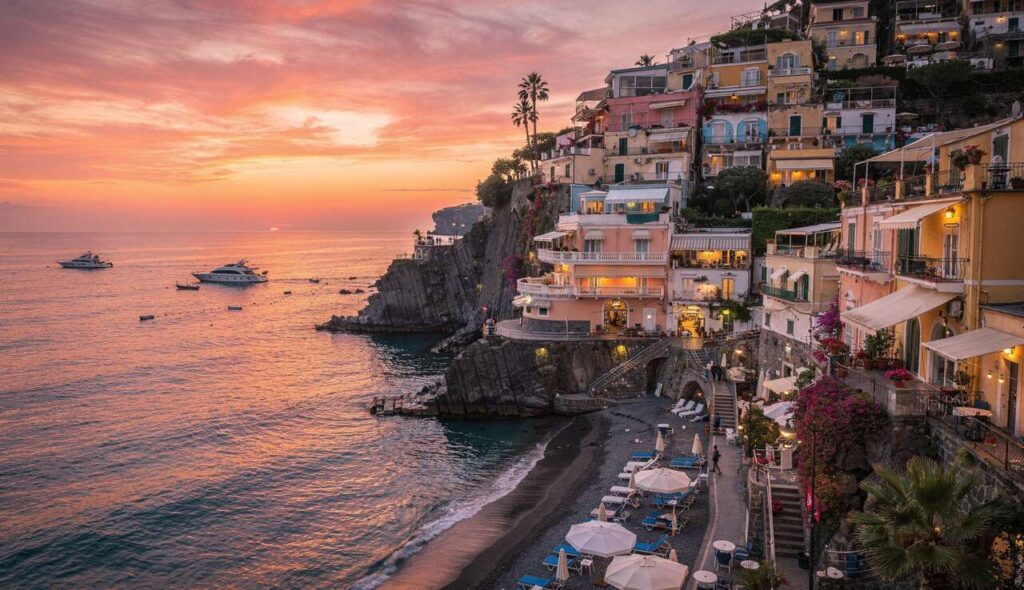
Social media has fundamentally transformed the way travellers choose their destinations. Platforms like Instagram have turned obscure locations into global phenomena virtually overnight, with a single viral photograph capable of drawing thousands of visitors to previously quiet corners of the world. The pursuit of the perfect shot has become as important as the travel experience itself, raising questions about authenticity, sustainability, and whether these photogenic hotspots truly deliver on their visual promises. As millions scroll through carefully curated feeds showcasing impossibly blue waters, whitewashed buildings, and exotic landscapes, the line between genuine travel inspiration and manufactured hype grows increasingly blurred.
The trendiest Instagram destinations
Locations that dominate social media feeds
Certain destinations have achieved iconic status on Instagram, appearing repeatedly across millions of user accounts. These locations share common characteristics: striking visual appeal, photogenic architecture, and distinctive landscapes that translate exceptionally well to smartphone screens. The algorithm favours these aesthetically pleasing posts, creating a self-perpetuating cycle of visibility and popularity.
- Santorini’s blue-domed churches and cliff-side villages
- Bali’s rice terraces and beachfront swings
- Iceland’s dramatic waterfalls and geothermal pools
- Dubai’s luxury hotels and desert landscapes
- Marrakech’s colourful souks and riads
- The Maldives’ overwater bungalows
- Tulum’s ancient ruins and Caribbean beaches
The characteristics of Instagram-worthy locations
What makes a destination Instagram-famous follows a recognisable pattern. Visual distinctiveness ranks paramount, with locations offering something that cannot be replicated elsewhere. Accessibility plays a crucial role too, as destinations require reasonable infrastructure to accommodate the influx of visitors seeking that perfect photograph. Lighting conditions, colour palettes, and architectural uniqueness all contribute to a location’s viral potential. Many of these destinations also offer multiple photo opportunities within a compact area, maximising content creation efficiency for influencers and casual travellers alike.
Understanding which destinations have captured the collective imagination provides context for examining how social media reshapes travel patterns and tourism economies worldwide.
The impact of social media on tourism
Visitor numbers and economic effects
The Instagram effect on tourism generates measurable economic consequences. Destinations featured prominently on social media experience dramatic increases in visitor numbers, often within months of gaining viral status. This phenomenon creates both opportunities and challenges for local economies.
| Destination | Visitor increase | Time period |
|---|---|---|
| Horseshoe Bend, Arizona | 4,000% | 2010-2018 |
| Trolltunga, Norway | 1,200% | 2009-2016 |
| Bali, Indonesia | 45% | 2014-2019 |
Changing traveller behaviour and expectations
Social media has fundamentally altered why people travel and what they prioritise during their journeys. The desire for shareable content increasingly influences itinerary planning, with travellers selecting activities based on their photographic potential rather than personal interest. This shift manifests in longer queues at photogenic spots, with visitors spending more time capturing images than experiencing locations. The pressure to document every moment creates a paradox where travellers become simultaneously more connected globally yet less present in their immediate surroundings. Authenticity becomes commodified, with staged experiences designed specifically for social media consumption replacing genuine cultural immersion.
These broader trends find specific expression in individual destinations that have become synonymous with Instagram culture, beginning with the Greek islands.
Santorini: the photogenic beauty of Greece
The reality behind the famous blue domes
Santorini’s iconic imagery dominates travel inspiration boards worldwide, yet the reality often differs significantly from the filtered photographs. The famous blue-domed churches of Oia attract thousands daily, creating congestion that makes capturing an unobstructed photograph increasingly difficult. Visitors frequently express surprise at the crowds, narrow pathways, and commercial nature of the most photographed areas. The island’s popularity has driven accommodation costs skyward, with basic rooms commanding premium prices during peak season.
What Santorini offers beyond Instagram
Despite the challenges posed by overtourism, Santorini retains genuine appeal for visitors willing to explore beyond the most photographed spots. The island’s volcanic beaches, archaeological sites, and lesser-known villages provide authentic experiences away from the selfie-stick crowds. Wine tourism flourishes here, with unique varieties grown in volcanic soil offering distinctive tasting experiences. Sunset views, whilst undeniably crowded in Oia, can be enjoyed from numerous other vantage points around the caldera. The island’s geological history and traditional architecture possess inherent interest that transcends social media trends.
- Visit during shoulder seasons to avoid peak crowds
- Explore villages like Pyrgos and Megalochori
- Book accommodations well in advance
- Expect higher prices than mainland Greece
The Greek island’s experience mirrors patterns observed in another Instagram darling located thousands of miles away in Southeast Asia.
Bali: tropical paradise under the lens
Instagram hotspots versus authentic Bali
Bali’s transformation into an Instagram phenomenon has created distinct tourist zones catering specifically to social media content creation. The famous rice terrace swings, infinity pools, and elaborately decorated cafés exist primarily for photographic purposes, with some charging substantial fees for brief photo sessions. These manufactured experiences concentrate in areas like Ubud and Canggu, creating an Instagram bubble that bears little resemblance to traditional Balinese culture. Visitors seeking the Bali depicted in social media feeds may find themselves disappointed by the commercialisation and artificial nature of these attractions.
The environmental and cultural costs
The island’s popularity exacts significant environmental tolls. Waste management infrastructure struggles to cope with visitor numbers, leading to pollution problems particularly evident during the wet season. Water scarcity affects local communities as hotels and pools consume resources. Traditional ceremonies and sacred sites face disruption from tourists seeking photographs without understanding cultural protocols. The influx of foreign-owned businesses has altered the economic landscape, with profits flowing outside local communities. Traffic congestion in popular areas has reached crisis levels, with journey times tripling during peak periods.
Yet another destination has captured imaginations through its distinctive aesthetic and cultural richness, though it too faces challenges from its Instagram fame.
Marrakech: the enchanting charm of Morocco
The allure of riads and souks
Marrakech’s visual richness makes it exceptionally photogenic, with its ochre buildings, intricate tilework, and vibrant markets providing endless content opportunities. The city’s traditional riads, converted into boutique hotels, offer Instagram-perfect courtyards with geometric tiles, fountains, and lush plants. The souks present a kaleidoscope of colours, textures, and patterns that translate beautifully to photographs. Majorelle Garden, once a peaceful botanical retreat, now sees queues stretching around the block as visitors wait to photograph its distinctive blue buildings and exotic plants.
Navigating the Instagram version versus reality
The Marrakech experience requires careful navigation between tourist-focused areas and authentic local life. Many Instagram-famous locations cater specifically to foreign visitors, with prices and experiences tailored accordingly. The medina’s labyrinthine streets can overwhelm first-time visitors, particularly when navigating persistent vendors. However, the city retains genuine cultural depth for those willing to venture beyond the most photographed spots. Traditional hammams, local eateries, and neighbourhood markets offer authentic experiences absent from most social media feeds. Understanding that the Instagram version represents a curated selection rather than the complete picture helps set realistic expectations.
- Hire a licensed guide to navigate the medina
- Visit popular sites early morning to avoid crowds
- Respect local customs regarding photography
- Explore neighbourhoods beyond the tourist quarter
These individual destination experiences reveal broader patterns and concerns about Instagram-driven tourism that warrant closer examination.
The limits of Instagram-influenced tourism
Overtourism and sustainability concerns
Instagram-driven tourism concentrates visitors in specific locations, creating overtourism that threatens both environmental sustainability and local quality of life. Popular photo spots experience erosion, littering, and ecosystem damage as thousands of visitors trample delicate environments. Local residents in photogenic neighbourhoods face rising costs, noise pollution, and loss of community character. The economic benefits of tourism often fail to compensate for these negative impacts, particularly when profits flow to international corporations rather than local businesses. Some destinations have implemented visitor quotas, photography permits, or access restrictions to manage the influx.
The authenticity question
The pursuit of Instagram-worthy moments fundamentally alters the nature of travel experiences. Destinations increasingly stage photo opportunities that prioritise visual appeal over cultural authenticity. Travellers spend more time viewing locations through smartphone screens than engaging directly with their surroundings. The pressure to replicate photographs seen online creates homogenised travel experiences, with visitors following identical itineraries to capture the same shots. This phenomenon raises questions about whether Instagram-influenced travel constitutes genuine exploration or merely visual collection. The gap between the carefully curated online version and the complex reality of destinations continues to widen, potentially setting travellers up for disappointment.
The phenomenon of Instagram-famous destinations reveals both the power and limitations of social media in shaping travel choices. Whilst these platforms have democratised travel inspiration and made remote locations accessible to wider audiences, they have also created sustainability challenges and altered the fundamental nature of tourism. Destinations like Santorini, Bali, and Marrakech offer genuine beauty and cultural richness that extends beyond their photogenic qualities, but visitors must approach them with realistic expectations and awareness of their impact. The question of whether these locations are worth visiting ultimately depends on individual priorities: those seeking authentic cultural experiences and willing to venture beyond Instagram hotspots will find value, whilst those expecting the curated perfection of social media feeds may face disappointment. Sustainable tourism requires moving beyond the pursuit of perfect photographs to embrace deeper engagement with places and communities.