



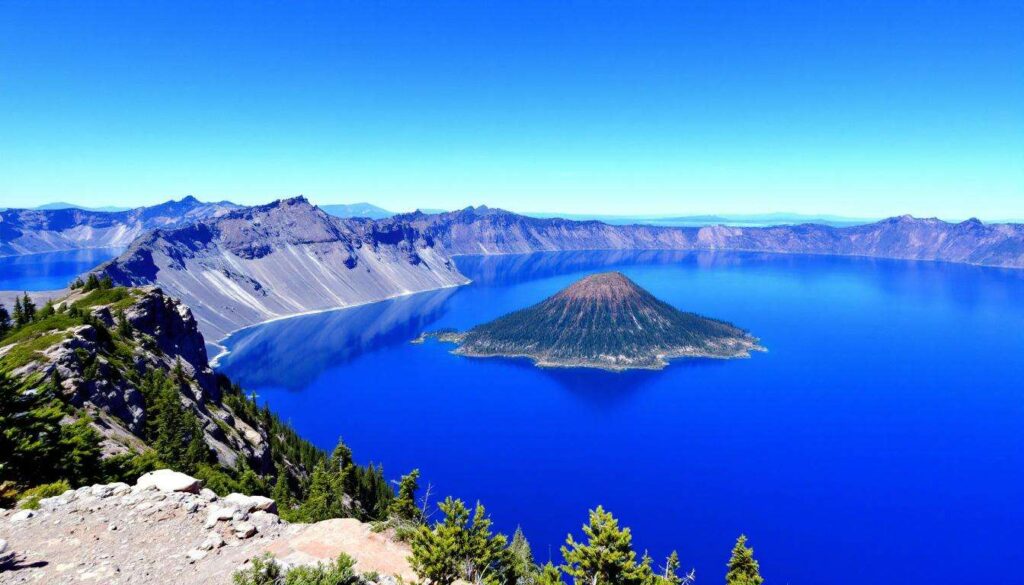
Beneath the surface of America’s vast landscapes lie some of the most extraordinary aquatic formations on the planet. These deep lakes represent millions of years of geological evolution, shaped by volcanic activity, glacial movements, and tectonic forces. From the crystalline waters of the Pacific Northwest to the ancient basins carved by ice age glaciers, the United States harbours remarkable bodies of water that plunge to astonishing depths. These lakes not only captivate visitors with their beauty but also serve as vital ecosystems supporting unique biodiversity and providing essential resources for surrounding communities.
The natural wonders: introduction to the deep lakes of the United States
Geological formation and significance
The deepest lakes in the United States owe their existence to diverse geological processes that have sculpted the continent over millennia. Volcanic calderas, glacial scouring, and tectonic activity have created basins of remarkable depth, each with its own distinctive characteristics. These formations represent living laboratories where scientists study climate change, water quality, and ecological adaptation.
The significance of these deep lakes extends beyond their physical dimensions. They function as:
- Critical freshwater reservoirs for millions of people
- Habitats for endemic species found nowhere else on Earth
- Natural archives preserving sedimentary records spanning thousands of years
- Economic engines driving tourism and recreational industries
Measuring depth and preservation
Modern technology has enabled precise measurements of lake depths using sonar equipment and bathymetric mapping. These tools reveal underwater topography with unprecedented accuracy, uncovering submerged features such as ancient forests, hydrothermal vents, and geological faults. The preservation of these aquatic environments requires ongoing monitoring and conservation efforts to protect them from pollution, invasive species, and climate-related threats.
Understanding the characteristics of America’s deepest lakes provides insight into the forces that continue to shape the continent’s geography.
Crater Lake: the deepest lake
Volcanic origins and record depth
Crater Lake in Oregon holds the distinction of being the deepest lake in the United States, plunging to a maximum depth of 1,949 feet. This extraordinary basin was formed approximately 7,700 years ago when Mount Mazama erupted catastrophically, causing the volcanic peak to collapse inward and create a massive caldera. Over subsequent centuries, precipitation gradually filled the depression, creating the pristine body of water visible today.
| Characteristic | Measurement |
|---|---|
| Maximum depth | 1,949 feet (594 metres) |
| Surface area | 20.6 square miles |
| Average depth | 1,148 feet (350 metres) |
| Water volume | 4.49 cubic miles |
Exceptional water clarity
The lake’s remarkable clarity and deep blue colour result from its unique hydrology. With no rivers or streams feeding into the caldera, the water comes exclusively from rain and snowmelt. This isolation prevents sediment and nutrient influx, maintaining exceptional purity that allows visibility to depths exceeding 100 feet. The absence of pollutants and the lake’s depth create an environment where sunlight penetrates deeply, producing the characteristic sapphire hue that captivates visitors.
Beyond Crater Lake’s volcanic origins, other deep lakes showcase different geological narratives.
Lake Tahoe: a jewel of the mountains
Alpine grandeur and depth
Straddling the California-Nevada border, Lake Tahoe ranks as the second-deepest lake in the United States with a maximum depth of 1,645 feet. This alpine treasure sits at an elevation of 6,225 feet above sea level, making it one of the highest lakes of its size in North America. The lake basin formed through geological faulting and volcanic activity over the past two million years, creating a trough that glaciers subsequently carved and deepened.
Ecological and recreational importance
Lake Tahoe’s crystal-clear waters support a diverse ecosystem whilst providing recreational opportunities for millions of annual visitors. The lake’s depth moderates temperature fluctuations, creating stable conditions for aquatic life including:
- Native Lahontan cutthroat trout
- Kokanee salmon populations
- Various species of zooplankton and phytoplankton
- Benthic organisms adapted to deep, cold environments
Conservation efforts focus on maintaining the lake’s renowned clarity, which has declined in recent decades due to increased development and climate change impacts.
Whilst Crater Lake and Lake Tahoe dominate discussions of American deep lakes, international comparisons reveal surprising connections.
Great Slave Lake: beyond borders
Geographical context and classification
Although Great Slave Lake lies entirely within Canada’s Northwest Territories, its inclusion in discussions of North American deep lakes provides important context for understanding continental hydrology. With a maximum depth of 2,015 feet, it surpasses even Crater Lake, making it the deepest lake in North America. This massive body of water covers approximately 11,030 square miles and plays a crucial role in the region’s ecology and indigenous cultures.
Cross-border significance
The lake’s watershed extends across political boundaries, influencing climate patterns and wildlife migration that affect ecosystems throughout the continent. Understanding Great Slave Lake’s characteristics helps scientists contextualise the formation and behaviour of deep lakes across North America, including those within United States territory.
Returning to American waters, other remarkable deep lakes await exploration.
Lake Pend Oreille: depth and biodiversity
Idaho’s hidden gem
Nestled in northern Idaho, Lake Pend Oreille reaches a maximum depth of 1,150 feet, making it one of the deepest lakes in the United States. Glacial activity during the last ice age carved this elongated basin, which stretches 43 miles in length. The lake’s complex underwater topography includes steep drop-offs, underwater ridges, and deep trenches that create diverse habitats for aquatic species.
Military and scientific applications
Beyond its natural beauty, Lake Pend Oreille serves as a unique research facility. The United States Navy operates an acoustic research detachment on the lake, utilising its depth and isolation to test submarine technologies. The lake’s characteristics include:
- Minimal ambient noise from boat traffic
- Stable thermal stratification
- Sufficient depth for full-scale testing
- Freshwater environment simulating ocean conditions
These features make it an invaluable resource for both military research and ecological studies.
Further west, another deep lake presents its own fascinating characteristics.
Lake Chelan: underwater secrets of the northwest
Washington’s narrow fjord-like lake
Lake Chelan in Washington State plunges to a maximum depth of 1,486 feet, making it the third-deepest lake in the United States. This remarkably narrow lake stretches 50.5 miles in length whilst averaging only one mile in width, creating a fjord-like appearance reminiscent of Scandinavian landscapes. Glacial erosion carved the deep trough during successive ice ages, with the lake’s floor actually sitting below sea level at its deepest point.
Unique characteristics and tourism
The lake’s extraordinary depth-to-width ratio creates distinctive ecological zones at different depths. Surface waters warm during summer months, supporting recreational activities, whilst deeper layers remain cold year-round, preserving stratified temperature zones that influence nutrient cycling and oxygen distribution.
| Feature | Specification |
|---|---|
| Maximum depth | 1,486 feet (453 metres) |
| Length | 50.5 miles |
| Average width | 1 mile |
| Elevation | 1,100 feet above sea level |
Tourism drives the local economy, with visitors drawn to the lake’s pristine waters, surrounding vineyards, and opportunities for boating, fishing, and hiking.
The deepest lakes in the United States represent extraordinary natural treasures shaped by volcanic eruptions, glacial movements, and tectonic forces over millions of years. From Crater Lake’s record-breaking depth and volcanic origins to Lake Tahoe’s alpine grandeur, these bodies of water provide essential ecosystems, recreational opportunities, and scientific research sites. Lake Pend Oreille’s military applications and Lake Chelan’s fjord-like characteristics demonstrate the diverse values these deep lakes offer. Protecting these irreplaceable resources requires ongoing conservation efforts to maintain water quality, preserve biodiversity, and ensure future generations can appreciate their remarkable beauty and ecological significance.