



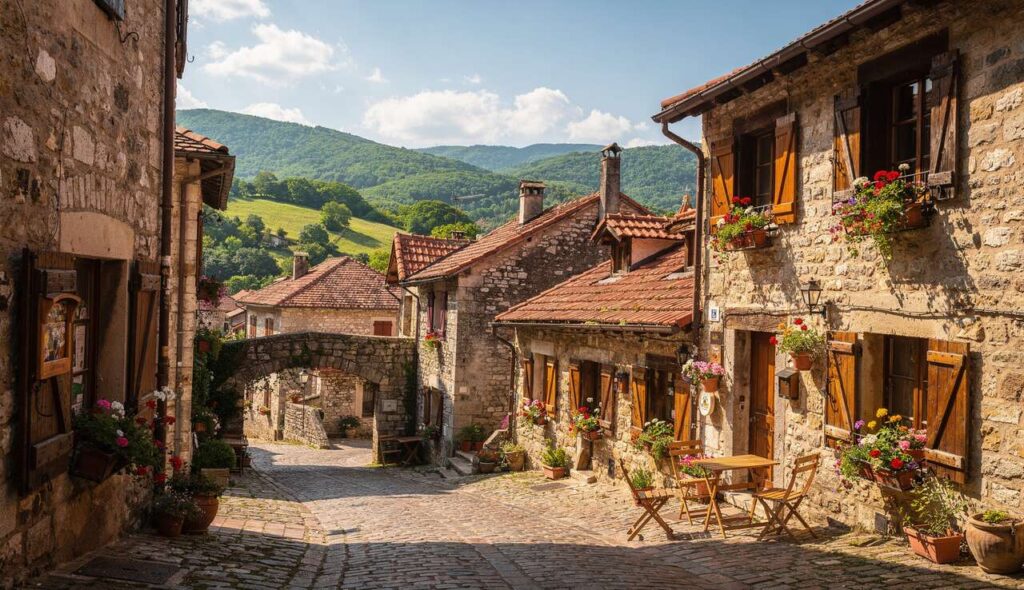
British holidaymakers are reshaping the European tourism landscape with a notable shift in their travel preferences. For decades, Spain has reigned supreme as the go-to destination for sun-seeking Brits, but recent trends reveal a growing appetite for alternative Mediterranean and European locales. Rising costs, overcrowding at popular Spanish resorts, and an increasing desire for authentic cultural experiences are driving travellers to explore fresh horizons. From the golden coastlines of Portugal to the historic charm of Croatia and the culinary delights of Italy, British tourists are discovering that Europe offers far more diversity than traditional package holidays to the Costa del Sol might suggest.
Why Brits Are Ditching Spain
Escalating costs and overtourism concerns
Spain’s popularity has become something of a double-edged sword. The sheer volume of tourists flooding into destinations like Barcelona, Málaga, and the Balearic Islands has led to significant price increases across accommodation, dining, and activities. British families who once found Spain an affordable option are now confronting holiday costs that rival or exceed other European alternatives. Furthermore, the phenomenon of overtourism has diminished the appeal of once-charming coastal towns, with crowded beaches and lengthy queues becoming the norm rather than the exception.
Political and environmental factors
Anti-tourism sentiment in certain Spanish regions has made headlines, with local protests in Barcelona and Mallorca highlighting tensions between residents and visitors. Additionally, environmental concerns such as water shortages and extreme heat waves have raised questions about the sustainability and comfort of Spanish holidays during peak summer months. These factors have prompted many British travellers to reconsider their traditional choices and seek destinations that offer better value and more welcoming atmospheres.
As dissatisfaction with Spain grows, British holidaymakers are turning their attention to a diverse array of European destinations that promise fresh experiences without sacrificing sunshine or cultural richness.
The Growing Appeal of Alternative European Destinations
Seeking authenticity and value
Today’s British travellers increasingly prioritise authentic experiences over cookie-cutter resort packages. The desire to immerse oneself in local culture, sample regional cuisine, and explore lesser-known historical sites has become a driving force behind destination selection. Alternative European countries often provide these experiences at more competitive prices, making them attractive to budget-conscious families and adventurous couples alike.
Improved accessibility and infrastructure
The expansion of budget airline routes and improved transport infrastructure across Europe has made previously overlooked destinations far more accessible. Direct flights to Croatian coastal cities, Portuguese regional airports, and Balkan capitals have opened up new possibilities for British tourists. This improved connectivity, combined with competitive pricing, has levelled the playing field between Spain and its European competitors.
| Destination | Average flight time from UK | Approximate cost difference vs Spain |
|---|---|---|
| Portugal | 2.5 hours | -15% |
| Croatia | 2.5-3 hours | -20% |
| Italy | 2-2.5 hours | Similar |
| Albania | 3 hours | -40% |
With these compelling alternatives gaining traction, Portugal has emerged as one of the most prominent beneficiaries of Britain’s shifting travel patterns.
Portugal: a Prime Contender for Sunny Holidays
Coastal beauty and cultural heritage
Portugal offers British tourists an enticing combination of stunning Atlantic coastlines, historic cities, and a relaxed Mediterranean atmosphere. The Algarve region provides golden beaches and dramatic cliff formations that rival Spain’s offerings, whilst cities like Lisbon and Porto deliver rich cultural experiences steeped in maritime history and architectural splendour. The country’s manageable size makes it ideal for combining beach relaxation with city exploration during a single holiday.
Affordability and English-friendly environment
Portugal consistently ranks as one of Europe’s most affordable destinations, with dining and accommodation costs notably lower than comparable Spanish resorts. The Portuguese people’s proficiency in English and their welcoming attitude towards British visitors create a comfortable environment for those who may feel hesitant about language barriers. Key attractions include:
- The vibrant nightlife and historic tram rides of Lisbon
- Port wine cellars and riverside dining in Porto
- Pristine beaches and golf courses throughout the Algarve
- The UNESCO-listed Sintra palace complex
- Authentic seafood cuisine at reasonable prices
Whilst Portugal captures hearts with its coastal charm, Croatia presents an entirely different proposition that appeals to those seeking natural wonders and historical depth.
Croatia: natural Beauty and Cultural Wealth
The Dalmatian coast phenomenon
Croatia’s dramatic Adriatic coastline has captivated British tourists with its crystal-clear waters, medieval walled cities, and over a thousand islands waiting to be explored. Destinations like Dubrovnik, Split, and Hvar offer a compelling blend of beach relaxation and cultural immersion. The country’s late emergence onto the mainstream tourism scene means many areas retain an unspoilt quality that Spain lost decades ago.
Game of Thrones effect and beyond
The popularity of filming locations from the television series Game of Thrones has undoubtedly boosted Croatia’s profile amongst British visitors, but the country’s appeal extends far beyond pop culture associations. National parks such as Plitvice Lakes and Krka offer spectacular natural scenery, whilst the Istrian peninsula provides excellent wine-tasting opportunities and truffle hunting experiences. Croatia successfully combines:
- Roman ruins and Venetian architecture
- Island-hopping opportunities via ferry networks
- Excellent value for money compared to Western European destinations
- A Mediterranean climate with hot, dry summers
- Increasingly sophisticated hospitality infrastructure
As Croatia establishes itself firmly on the British travel map, Italy continues to exert its timeless appeal with a different flavour of Mediterranean magic.
Italy: the Dolce Vita Captivates British Tourists
Regional diversity and culinary excellence
Italy’s enduring popularity amongst British travellers stems from its remarkable regional diversity and world-renowned culinary traditions. From the romantic canals of Venice to the ancient ruins of Rome, from Tuscany’s rolling vineyards to Sicily’s volcanic landscapes, Italy offers an embarrassment of riches that rewards repeated visits. Each region presents distinct cultural identities, architectural styles, and gastronomic specialities that create uniquely memorable experiences.
Beyond the traditional tourist trail
Whilst cities like Rome, Florence, and Venice remain perennially popular, British tourists are increasingly discovering Italy’s lesser-known gems. Puglia’s whitewashed towns, the dramatic Amalfi Coast, and the lakes region of Lombardy provide alternatives to overcrowded hotspots. The Italian approach to life, encapsulated in the concept of la dolce vita, resonates deeply with British visitors seeking to slow down and savour their holiday experiences rather than rushing through tick-box itineraries.
| Italian region | Primary appeal | Best suited for |
|---|---|---|
| Tuscany | Wine, countryside, art cities | Couples, culture enthusiasts |
| Amalfi Coast | Dramatic scenery, coastal towns | Romantic getaways |
| Puglia | Beaches, authentic culture | Families, food lovers |
| Sicily | History, diverse landscapes | Adventurous travellers |
Whilst Italy represents a well-established alternative to Spain, the Balkans are emerging as the travel industry’s most exciting frontier for British holidaymakers.
The Rise of the Balkans as a New Travel Trend
Albania and Montenegro lead the charge
The Balkan region represents the final frontier of affordable European beach holidays. Albania, in particular, has experienced explosive growth in British visitor numbers, offering pristine beaches along the Albanian Riviera at prices that seem frozen in time compared to Western European standards. Montenegro’s dramatic Bay of Kotor, often described as the Mediterranean’s most beautiful fjord, provides spectacular scenery combined with medieval towns and emerging luxury resorts.
Untouched landscapes and warm hospitality
What sets the Balkans apart is their relative lack of mass tourism development. British travellers can still discover hidden coves, dine in family-run restaurants serving traditional recipes, and explore ancient ruins without battling crowds. The region’s complex history adds layers of cultural interest, whilst the genuine warmth of local hospitality creates memorable personal connections. Key advantages include:
- Exceptional value for money across all aspects of travel
- Stunning natural landscapes largely untouched by development
- Rich cultural heritage blending Eastern and Western influences
- Growing infrastructure catering to international visitors
- Opportunities for adventure activities alongside beach relaxation
The European travel landscape is undergoing a significant transformation as British holidaymakers broaden their horizons beyond Spain’s familiar shores. Portugal’s coastal charm, Croatia’s natural splendour, Italy’s cultural depth, and the Balkans’ undiscovered potential collectively offer compelling alternatives that address modern travellers’ desires for authenticity, value, and unique experiences. Whilst Spain will undoubtedly remain a popular choice for many, the diversification of British travel patterns reflects a maturing tourism market where variety and discovery triumph over habit and convenience. These emerging destinations are not merely substitutes but distinctive experiences in their own right, each offering particular appeals that resonate with different traveller preferences and priorities.