



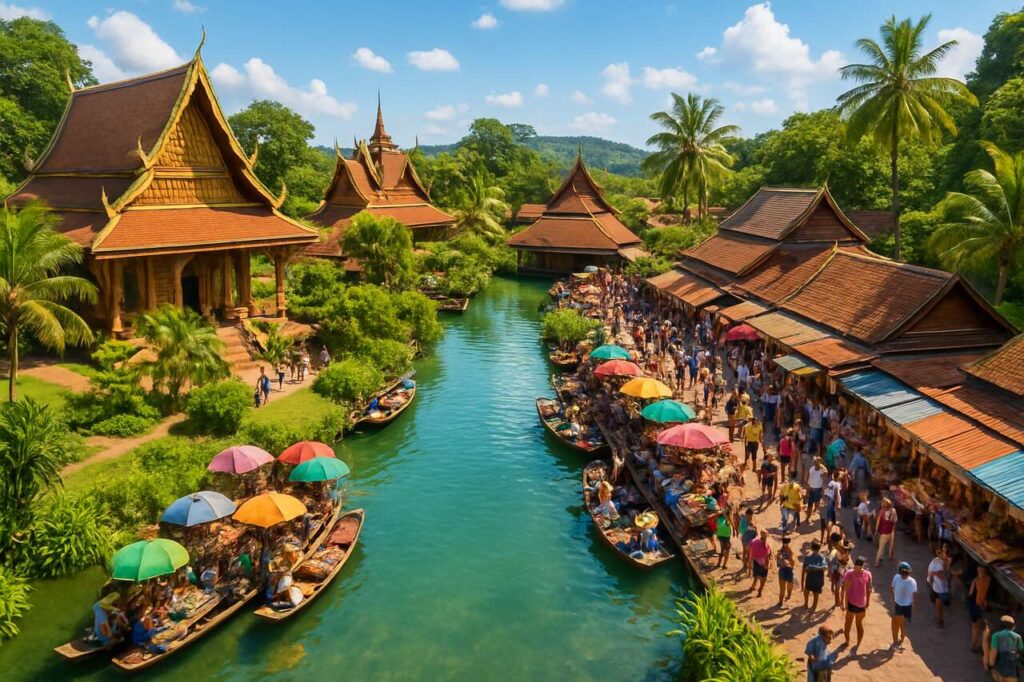
Thailand has long been synonymous with bustling Bangkok, pristine Phuket beaches, and the cultural richness of Chiang Mai. However, a lesser-known province in the country’s northeast is now capturing international attention. Nong Khai, situated along the Mekong River bordering Laos, has witnessed unprecedented visitor numbers that have shattered previous tourism records. This quiet destination, traditionally overlooked by mainstream travellers, is emerging as one of Thailand’s most compelling travel stories. The province combines authentic cultural experiences with stunning natural landscapes, offering an alternative to the well-trodden tourist trails that dominate Thai tourism.
A hidden gem in Thailand: rapidly growing
Geographic positioning and accessibility
Nong Khai occupies a strategic location in Thailand’s Isan region, approximately 615 kilometres northeast of Bangkok. The province stretches along the Mekong River, providing breathtaking views of neighbouring Laos across the water. Recent infrastructure improvements have dramatically enhanced accessibility to this once-remote destination.
Transport connections now include:
- Direct flights from Bangkok to Udon Thani, followed by a 50-kilometre drive
- Overnight train services from the capital offering sleeper compartments
- Improved highway networks reducing journey times by nearly 30 per cent
- The Thai-Lao Friendship Bridge facilitating cross-border tourism
What sets Nong Khai apart
Unlike Thailand’s saturated southern islands, Nong Khai offers authenticity without commercialisation. The province has maintained its traditional character whilst gradually opening to tourism. Visitors encounter genuine local life, from riverside markets selling regional produce to temples where monks still conduct daily rituals undisturbed by camera-wielding crowds. The absence of mass tourism infrastructure creates an atmosphere reminiscent of Thailand several decades ago, before development transformed many destinations beyond recognition.
This combination of improved connectivity and preserved authenticity has created the perfect conditions for Nong Khai’s tourism explosion, setting the stage for remarkable growth in visitor numbers.
Visitor statistics on the rise
Record-breaking figures
The Tourism Authority of Thailand has documented extraordinary growth in Nong Khai’s visitor numbers. The province has experienced a surge that far exceeds national averages, with both domestic and international tourists discovering this Mekong riverside destination.
| Year | Total Visitors | Growth Rate | International Visitors |
|---|---|---|---|
| 2021 | 487,000 | – | 52,000 |
| 2022 | 742,000 | 52% | 98,000 |
| 2023 | 1,180,000 | 59% | 187,000 |
| 2024 | 1,650,000 | 40% | 298,000 |
Demographics and visitor profiles
The visitor composition reveals interesting patterns. Domestic tourists comprise approximately 82 per cent of arrivals, with Thai families and young professionals seeking weekend getaways from Bangkok and other urban centres. International visitors predominantly originate from neighbouring countries, particularly Laos, Vietnam, and China, though European and Australian travellers are increasingly discovering the destination through social media and travel blogs.
Average stay durations have extended from 1.8 nights to 2.6 nights, indicating that visitors are finding sufficient attractions to warrant longer visits. These impressive statistics naturally lead to questions about what exactly draws people to this previously overlooked corner of Thailand.
The cultural and natural assets of the destination
Sala Kaew Ku sculpture park
The province’s most distinctive attraction is Sala Kaew Ku, an extraordinary sculpture park featuring over 200 concrete statues depicting Hindu and Buddhist mythology. Created by mystic monk Luang Pu Bunleua Sulilat, these massive sculptures present a surreal landscape unlike anything else in Thailand. The park’s centrepiece, a seven-headed naga serpent, towers over visitors, whilst intricate depictions of the wheel of life and various deities create an otherworldly atmosphere that captivates photographers and spiritual seekers alike.
Natural wonders along the Mekong
The Mekong River provides the backdrop for numerous natural attractions. During the dry season, sandbanks emerge creating temporary beaches where locals gather for picnics and sunset viewing. The phenomenon of “Naga fireballs” reportedly occurs each October, when mysterious glowing orbs rise from the river, attracting thousands of spectators to this unexplained natural occurrence.
Key natural attractions include:
- Phu Wua Wildlife Sanctuary with hiking trails and panoramic viewpoints
- Wat Pho Chai housing a revered golden Buddha image
- Tha Sadet Market offering riverside dining and local crafts
- Phu Phra Bat Historical Park featuring prehistoric rock formations
Cultural immersion opportunities
Nong Khai’s cultural fabric remains remarkably intact. Visitors can participate in alms-giving ceremonies, attend traditional Isan music performances, and explore villages where silk weaving continues using centuries-old techniques. The province’s cuisine reflects its border location, blending Thai, Lao, and Vietnamese influences into distinctive dishes rarely found elsewhere in Thailand. These compelling attractions have naturally generated substantial economic benefits for the previously underdeveloped region.
Economic impact on the region
Revenue generation and employment
Tourism revenue in Nong Khai has increased by 240 per cent over three years, injecting approximately 4.8 billion baht annually into the local economy. This influx has created employment across multiple sectors, from hospitality and transport to handicraft production and food services. Previously agricultural communities now supplement farming income with tourism-related activities, providing economic stability during crop failures or price fluctuations.
Infrastructure improvements
Tourism growth has catalysed broader development. Local authorities have invested in:
- Road resurfacing projects connecting rural attractions
- Public toilet facilities at major sites
- Multilingual signage throughout the province
- Enhanced street lighting in tourist areas
- Water treatment systems protecting the Mekong ecosystem
Small business creation has flourished, with family-run guesthouses, riverside restaurants, and tour operators emerging throughout the province. Many young residents who previously migrated to Bangkok for work are now returning, recognising opportunities in their home province. Understanding these economic transformations provides context for the ambitious development plans currently underway.
Tourism development projects
Planned infrastructure enhancements
Provincial authorities have outlined a five-year development strategy designed to accommodate growing visitor numbers whilst preserving local character. Plans include expanding the airport at nearby Udon Thani, constructing a riverside promenade in Nong Khai town, and establishing cycling routes connecting major attractions. Importantly, development guidelines emphasise low-rise construction and architectural styles consistent with traditional Isan aesthetics.
Sustainable tourism initiatives
Learning from overdevelopment mistakes elsewhere in Thailand, Nong Khai is implementing sustainability measures from the outset. Community-based tourism programmes ensure local residents benefit directly from visitor spending. Environmental protection protocols limit construction near riverbanks and establish carrying capacities for sensitive sites. Waste management systems are being upgraded to handle increased volumes without polluting the Mekong.
These forward-thinking approaches aim to balance growth with preservation, ensuring Nong Khai remains attractive for future generations of travellers seeking authentic experiences.
Useful tips for future visitors
Optimal timing for your visit
The ideal period to explore Nong Khai runs from November through February, when temperatures moderate and rainfall diminishes. This coincides with the Naga fireball phenomenon in October and the cooler dry season perfect for outdoor exploration. March through May brings intense heat, whilst June through October sees monsoon rains that can disrupt travel plans, though the landscape becomes lush and green.
Accommodation recommendations
Lodging options span various budgets:
- Riverside boutique hotels offering Mekong views from 1,200 baht nightly
- Family-run guesthouses providing authentic experiences from 400 baht
- Mid-range hotels with modern amenities from 800 baht
- Homestay programmes in rural villages for cultural immersion
Practical considerations
Language barriers exist outside major hotels, so downloading translation apps proves helpful. Thai baht remains the primary currency, with limited credit card acceptance in smaller establishments. Hiring a scooter provides flexibility for exploring, though international driving permits are technically required. Modest dress is appreciated when visiting temples, and removing shoes before entering sacred spaces remains essential.
Engaging local guides enhances understanding of cultural sites, with many offering services at reasonable rates. The relaxed pace of life means services may operate on flexible schedules, requiring patience and adaptability from visitors accustomed to rigid timetables.
Nong Khai represents a refreshing alternative to Thailand’s overcrowded tourist hotspots. The province’s remarkable tourism growth reflects genuine appeal rather than manufactured attractions, with authentic cultural experiences and natural beauty drawing increasing numbers of discerning travellers. Record-breaking visitor statistics demonstrate that destinations offering substance over superficiality can thrive in modern tourism markets. The economic transformation benefiting local communities, combined with thoughtful development planning, suggests Nong Khai can sustain growth whilst preserving the very qualities that make it special. For travellers seeking the Thailand of yesteryear, where genuine interactions and undiscovered landscapes still exist, this Mekong riverside province delivers an experience increasingly rare in Southeast Asia. The window for visiting before mass tourism arrives remains open, but narrowing as word spreads about this exceptional destination.