



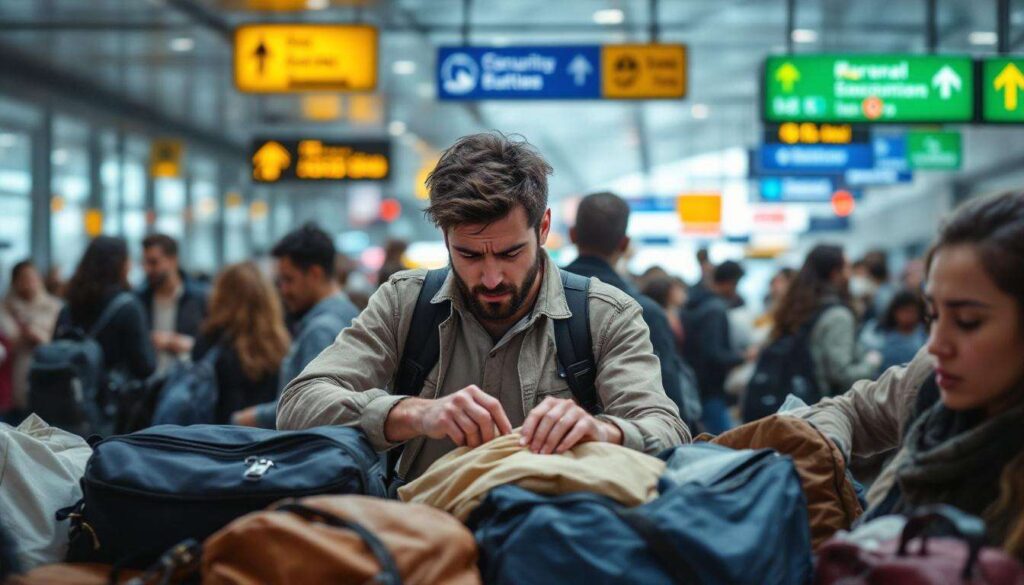
Discovering that your passport has gone missing while travelling abroad can trigger immediate panic. Whether it has been stolen, misplaced in a hotel room, or left behind in a taxi, losing this crucial document requires swift and methodical action. Understanding the correct procedures can transform a potentially disastrous situation into a manageable inconvenience, ensuring you can continue your journey or return home with minimal disruption.
Reporting the loss of your passport to the consulate
Locating your nearest consulate or embassy
The first step after realising your passport is missing involves identifying the nearest British consulate or embassy in your current location. Most major cities host diplomatic representations, whilst smaller towns may require travel to a regional hub. The Foreign, Commonwealth and Development Office website provides comprehensive lists of all British diplomatic missions worldwide, complete with contact details and opening hours.
Before visiting in person, telephone the consulate to confirm their procedures and required documentation. Many diplomatic posts now operate appointment systems, particularly for passport-related emergencies. Some consulates offer emergency contact numbers for situations arising outside standard working hours.
Filing an official loss report
Upon contacting the consulate, you must complete a formal declaration regarding your lost or stolen passport. This process typically requires:
- A detailed account of when and where the loss occurred
- Circumstances surrounding the disappearance
- Any police report reference numbers if theft is suspected
- Photographic identification if available
- Proof of British citizenship through alternative documents
Reporting to local police should precede your consulate visit, especially if theft is suspected. A police report provides essential documentation for insurance claims and helps prevent identity fraud. Many countries require this step before diplomatic assistance can be provided.
Understanding the administrative process
The consulate will cancel your lost passport immediately within their systems, rendering it invalid for travel. This security measure prevents fraudulent use but means the document cannot be reinstated even if subsequently found. Officials will verify your identity through their database systems and may request additional information about your travel history or personal details to confirm your citizenship status.
Once your loss has been officially recorded and your identity confirmed, the consulate can proceed with issuing temporary travel documentation, allowing you to address the immediate challenge of returning home.
How to obtain an emergency travel document
The emergency travel document explained
An emergency travel document (ETD) serves as a temporary passport replacement, valid solely for your return journey to the United Kingdom or onward travel to another destination where you can obtain a full passport. This single-use document typically remains valid for a limited period, often just sufficient for your immediate travel needs.
The ETD contains basic biographical information and a photograph, functioning similarly to a standard passport but with restricted validity. Not all countries accept emergency travel documents for entry, so consular staff will verify whether your intended route poses any complications.
Application requirements and processing times
Applying for an emergency travel document requires specific documentation and fees. Essential requirements include:
- Completed application forms provided by the consulate
- Passport-sized photographs meeting official specifications
- Payment of the emergency document fee
- Evidence of onward travel arrangements
- Supporting identification documents
| Processing Speed | Timeframe | Additional Cost |
|---|---|---|
| Standard service | 2-3 working days | Standard fee applies |
| Urgent service | Same day or next day | Premium charges may apply |
Most consulates can issue emergency travel documents within two working days, though urgent circumstances may warrant expedited processing. Premium fees often apply for same-day services, reflecting the additional administrative resources required.
Completing your travel arrangements
Once issued, your emergency travel document permits direct travel to the UK or through countries that accept such documentation. Airlines must be notified about your travel document status, as some carriers require advance notification. Keep your ETD secure alongside any supporting documentation provided by the consulate, as immigration officials may request additional verification during your journey.
With temporary documentation secured, attention must turn to other practical matters that may affect your ability to travel and manage the financial implications of this situation.
Checking insurance and necessary documents
Reviewing your travel insurance coverage
Comprehensive travel insurance policies typically include provisions for lost or stolen passports, covering emergency document fees, additional accommodation costs, and travel arrangement changes. Contact your insurance provider immediately to understand your coverage limits and claim procedures.
Documentation required for insurance claims generally includes:
- Police reports confirming the loss or theft
- Consulate receipts for emergency document fees
- Receipts for additional accommodation expenses
- Evidence of changed travel bookings
- Original travel insurance policy documents
Many insurers operate 24-hour emergency helplines specifically for situations like passport loss, providing immediate guidance and potentially arranging direct payment to consulates or hotels.
Gathering supporting identification
Alternative identification documents strengthen your case when applying for emergency travel documentation. Useful items include driving licences, birth certificates, national insurance documentation, or even photocopies of your lost passport. Digital copies stored securely online prove invaluable, as do photographs of important documents saved to cloud storage or emailed to yourself before travelling.
Managing financial implications
Losing a passport often coincides with losing wallets or bags containing bank cards and cash. Contact your bank immediately to report missing cards and arrange emergency funds transfer. Many banks offer emergency cash services at overseas branches or partner institutions. Western Union and similar services provide rapid money transfer options if family or friends can assist financially.
Understanding these practical considerations helps minimise disruption, but taking preventive measures can help avoid repeating this stressful experience.
Practical tips to avoid losing another passport
Secure storage solutions whilst travelling
Implementing proper security measures significantly reduces passport loss risks. Hotel safes provide secure storage when your passport is not immediately required, though carrying it becomes necessary for certain activities like currency exchange or check-ins.
Consider these protective strategies:
- Use hotel safes for overnight storage
- Carry passports in concealed money belts or neck pouches
- Never leave passports in checked luggage
- Avoid placing passports in easily accessible pockets
- Keep passports separate from wallets and phones
Creating backup documentation systems
Maintaining multiple copies of your passport proves invaluable during emergencies. Photograph or scan your passport’s information page before departure, storing digital copies in email accounts, cloud storage, and with trusted contacts at home. Physical photocopies kept separately from your actual passport provide additional backup.
Developing mindful travel habits
Establishing consistent routines reduces the likelihood of misplacing important documents. Always return your passport to the same secure location after use, conduct regular checks of your belongings, and maintain awareness in crowded areas where theft risks increase. When dining or visiting attractions, keep bags containing passports within sight and preferably in physical contact.
These preventive measures serve you well during your travels, but specific actions become necessary once you successfully return home.
What to do upon returning to France
Applying for a replacement passport
Your emergency travel document permits UK entry but cannot serve as ongoing identification. Apply for a standard passport replacement immediately upon returning home through the official government passport service. Online applications typically process faster than postal submissions, with standard service taking approximately three weeks and premium services offering one-week or one-day options.
The replacement application requires:
- Completed passport application forms
- Recent passport photographs meeting specifications
- Supporting identity documents
- Payment of standard passport fees
- Declaration regarding the lost passport circumstances
Notifying relevant authorities and organisations
Beyond obtaining a new passport, inform various organisations about your document loss. Update records with your employer, particularly if business travel forms part of your role. Educational institutions, professional bodies, and any organisations holding passport details should receive notification of your new passport number once issued.
Reviewing security measures
If your passport was stolen rather than simply lost, consider whether other personal information was compromised. Monitor bank accounts for suspicious activity, review credit reports for unauthorised applications, and remain vigilant for signs of identity theft. The UK’s Action Fraud service provides guidance on protecting yourself following document theft.
Having addressed the immediate aftermath of passport loss, implementing long-term preventive strategies ensures future travels proceed more smoothly.
Preventing future passport losses
Pre-travel preparation strategies
Thorough preparation before departure significantly reduces passport loss risks. Research your destination’s requirements regarding passport carrying, as some countries mandate physical possession whilst others accept hotel safe storage. Register your travel plans with the Foreign Office’s travel notification service, ensuring consular staff can locate you during emergencies.
Create a comprehensive travel document folder containing:
- Photocopies of passport information pages
- Emergency contact numbers for consulates
- Travel insurance policy details
- Copies of travel bookings and itineraries
- Contact information for your bank and card providers
Investing in protective accessories
Purpose-designed travel accessories enhance document security. RFID-blocking passport holders prevent electronic theft of passport information, whilst waterproof document pouches protect against environmental damage. Slash-proof bags with lockable compartments deter opportunistic thieves in crowded tourist areas.
Maintaining vigilance throughout your journey
Consistent awareness prevents most passport losses. Develop habits of checking for your passport before leaving any location, particularly when departing hotels, restaurants, or transport. Photograph or note where you store your passport in accommodation, as memory can prove unreliable during stressful moments. When travelling with companions, consider implementing a buddy system where you mutually verify each other has essential documents before moving between locations.
Losing a passport abroad undeniably creates stress and inconvenience, yet following systematic procedures transforms this challenge into a manageable situation. Immediate reporting to local police and your consulate initiates the recovery process, whilst emergency travel documents facilitate your return home. Understanding insurance coverage and maintaining backup documentation streamlines resolution, and implementing robust preventive measures protects against future occurrences. The combination of swift action when problems arise and diligent preparation beforehand ensures that even this significant travel disruption need not derail your plans entirely. By remaining calm, following established procedures, and learning from the experience, travellers can navigate passport loss effectively and return to enjoying their international adventures with renewed confidence in their preparedness.