



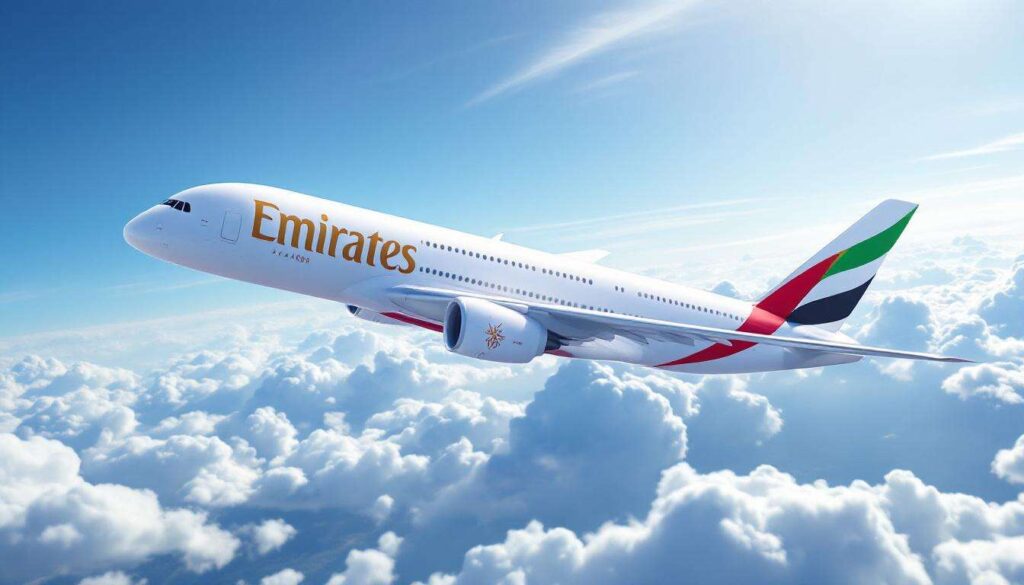
Emirates has long been synonymous with the Airbus A380, operating the world’s largest fleet of these double-decker aircraft. However, as the aviation industry evolves and manufacturers shift their focus towards more fuel-efficient twin-engine aircraft, the Dubai-based carrier faces a pivotal moment. The airline must navigate complex decisions regarding fleet modernisation whilst maintaining its reputation for luxury and operational efficiency. With Airbus having ceased A380 production, Emirates now confronts the challenge of identifying suitable replacements that can match the capacity and passenger experience of its beloved superjumbo.
Fleet transition: why replace the Airbus A380 ?
The Airbus A380 has been the cornerstone of Emirates’ operations since the airline took delivery of its first aircraft in 2008. Despite the carrier’s unwavering commitment to the type, several factors now compel a strategic reassessment of its long-term viability.
End of production and manufacturer support concerns
Airbus officially ended A380 production in 2021, with the final aircraft delivered to Emirates in December of that year. This cessation creates significant implications for the airline’s future operations:
- Limited availability of spare parts as production lines close
- Potential increases in maintenance costs as components become scarcer
- Reduced manufacturer support as Airbus redirects resources to current production models
- Difficulty in sourcing replacement aircraft in case of incidents or accelerated retirements
Operational efficiency and environmental pressures
Modern twin-engine aircraft offer substantial operational advantages over the four-engine A380. The newer generation of widebody aircraft delivers improved fuel efficiency, typically consuming 20-25% less fuel per seat compared to the A380. This efficiency translates directly into reduced operating costs and lower carbon emissions, both increasingly critical factors in airline operations.
Regulatory pressures and corporate sustainability commitments further accelerate the need for fleet modernisation. Airlines worldwide face mounting expectations to reduce their environmental footprint, making the continuation of four-engine aircraft operations increasingly difficult to justify from both public relations and financial perspectives.
These operational and environmental considerations naturally lead to examining the specific challenges Emirates faces in managing this transition.
Constraints faced by Emirates with the A380 retirement
Emirates operates 116 A380 aircraft, representing an unprecedented scale of fleet concentration on a single type. This creates unique challenges that distinguish the carrier’s situation from other airlines.
Capacity requirements and route network implications
The A380 typically accommodates between 484 and 615 passengers in Emirates’ configurations, making it the ideal aircraft for high-density routes. Replacing this capacity presents significant complications:
| Aircraft Type | Typical Capacity | Aircraft Required to Replace One A380 |
|---|---|---|
| Airbus A380 | 484-615 | 1 |
| Boeing 777-9 | 400-425 | 1.3-1.5 |
| Airbus A350-1000 | 350-410 | 1.4-1.7 |
The airline’s hub-and-spoke model at Dubai International Airport relies heavily on the A380’s ability to consolidate passengers from multiple destinations onto single flights. Transitioning to smaller aircraft would require frequency increases, potentially straining slot availability at congested airports and increasing operational complexity.
Financial investment and fleet planning timeline
Replacing 116 aircraft represents a monumental financial undertaking. With widebody aircraft costing between £200 million and £350 million per unit, the total investment could exceed £30 billion. Such expenditure requires careful financial planning, particularly as the aviation industry continues recovering from recent disruptions.
Furthermore, aircraft manufacturers face substantial order backlogs, with delivery slots for new aircraft extending years into the future. This production constraint means Emirates cannot simply order replacement aircraft and expect rapid delivery, necessitating long-term strategic planning.
Understanding these constraints provides essential context for evaluating the aircraft options available to Emirates.
Possible options: Boeing 777X or Airbus A350 ?
Emirates has essentially two viable options for A380 replacement, each offering distinct advantages and limitations that must be carefully weighed.
Boeing 777X: the capacity solution
The Boeing 777-9 variant represents the closest capacity match to the A380 among currently available aircraft. Emirates already has 205 Boeing 777X aircraft on order, demonstrating confidence in the type:
- Seating capacity of approximately 400-425 passengers in typical configurations
- Range capability exceeding 7,285 nautical miles
- Advanced GE9X engines offering improved fuel efficiency
- Folding wingtip technology enabling use of existing airport infrastructure
- Commonality with Emirates’ existing 777 fleet, reducing training and maintenance costs
However, the 777X programme has experienced significant delays, with certification and entry into service repeatedly postponed. These delays create uncertainty regarding delivery timelines, complicating Emirates’ fleet planning efforts.
Airbus A350: the efficiency alternative
The Airbus A350-1000 offers superior operational efficiency despite lower capacity compared to both the A380 and 777X:
- Advanced composite construction reducing weight and fuel consumption
- Proven reliability with multiple airlines already operating the type
- Lower operating costs per flight hour
- Enhanced passenger comfort features including improved cabin pressure and humidity
- Immediate availability without the uncertainty surrounding 777X certification
The primary drawback remains capacity, with the A350-1000 accommodating approximately 350-410 passengers. This would require Emirates to operate additional frequencies on high-demand routes, potentially challenging slot availability and increasing crew requirements.
Hybrid fleet strategy considerations
Emirates may ultimately adopt a combination approach, utilising both aircraft types to optimise network operations. The 777X could serve ultra-high-demand routes requiring maximum capacity, whilst the A350 might operate on routes where frequency and efficiency outweigh absolute capacity needs.
These aircraft selection considerations connect directly to broader economic and environmental factors influencing the decision.
Economic and environmental challenges of fleet renewal
Fleet renewal decisions extend beyond simple aircraft selection, encompassing complex economic calculations and environmental responsibilities that will shape Emirates’ competitive position.
Cost-benefit analysis of fleet modernisation
The financial equation involves multiple variables that must be carefully balanced:
| Cost Factor | A380 Continuation | New Aircraft |
|---|---|---|
| Fuel consumption | Higher per seat | 20-25% lower per seat |
| Maintenance costs | Increasing over time | Lower initially, warranty coverage |
| Capital investment | Minimal | £30+ billion |
| Residual value | Declining | Higher for newer aircraft |
Whilst newer aircraft offer operational savings, the enormous capital requirement creates financial pressure. Emirates must secure favourable financing arrangements and negotiate competitive pricing with manufacturers to ensure the investment delivers acceptable returns.
Sustainability commitments and regulatory compliance
Environmental considerations increasingly influence fleet decisions as the aviation industry faces intensifying pressure to reduce emissions:
- International commitments to achieve net-zero carbon emissions by 2050
- Potential carbon taxation schemes affecting operational costs
- Corporate reputation and customer preferences favouring environmentally responsible airlines
- Regulatory requirements for emissions reporting and reduction targets
Modern aircraft substantially reduce per-passenger emissions, helping Emirates meet sustainability objectives whilst potentially avoiding future carbon-related costs. This environmental imperative adds urgency to fleet modernisation beyond purely economic considerations.
These multifaceted challenges inform the timeline and process through which Emirates will ultimately make its decision.
When will Emirates make its decision ?
The timing of Emirates’ fleet replacement decision involves multiple interdependent factors that will unfold over the coming years rather than through a single announcement.
Gradual transition rather than immediate replacement
Emirates has indicated that A380 operations will continue for at least another decade, with the airline investing in cabin refurbishments and continued maintenance. This suggests a phased approach:
- Continued A380 operations on core high-capacity routes through the 2030s
- Gradual introduction of replacement aircraft as delivery slots become available
- Route-by-route assessment determining optimal aircraft deployment
- Retirement of older A380 frames as newer replacements enter service
External factors influencing decision timing
Several external variables will shape the timeline and nature of Emirates’ final decision:
The Boeing 777X certification process remains critical, as delays continue affecting delivery schedules. Should certification extend significantly further, Emirates may need to accelerate A350 orders to fill capacity gaps. Conversely, successful 777X entry into service could reinforce the airline’s commitment to Boeing equipment.
Market conditions, including fuel prices, passenger demand recovery, and competitive pressures, will also influence timing. Economic downturns might delay expensive fleet renewal, whilst strong demand growth could accelerate replacement needs.
Manufacturing capacity constraints mean that even once Emirates commits to specific aircraft types, deliveries will extend across many years, making this a long-term transformation rather than a swift transition.
Emirates faces a complex fleet renewal challenge that will define its operations for decades. The airline must balance capacity requirements against efficiency gains, manage enormous financial investments whilst maintaining competitive service standards, and navigate manufacturer delays alongside environmental responsibilities. The decision will likely involve both Boeing 777X and Airbus A350 aircraft deployed strategically across the network, with implementation extending throughout the 2030s. This gradual transition allows Emirates to maintain operational continuity whilst progressively modernising its fleet, ensuring the carrier remains positioned to compete effectively in an evolving aviation landscape.