


Albania has emerged as one of Europe’s most talked-about travel destinations, captivating adventurers and culture enthusiasts alike. Once overlooked in favour of its Mediterranean neighbours, this Balkan gem now attracts visitors seeking authentic experiences without the crowds and inflated prices found elsewhere. From pristine coastlines to ancient ruins, Albania offers a compelling blend of natural beauty, rich heritage, and exceptional value that explains its sudden surge in popularity amongst travellers seeking something refreshingly different.
Discovering breathtaking landscapes
The Albanian Riviera’s unspoilt beaches
The Albanian Riviera stretches along the country’s southern coastline, offering crystal-clear turquoise waters and secluded beaches that rival those of Greece or Croatia. Unlike the overcrowded Mediterranean hotspots, Albania’s coastal towns such as Dhërmi, Jale, and Ksamil remain relatively undiscovered, providing visitors with authentic seaside experiences without the tourist saturation. The dramatic cliffs plunging into the Ionian Sea create spectacular vistas, whilst hidden coves accessible only by boat offer perfect spots for those seeking tranquillity.
Mountain ranges and national parks
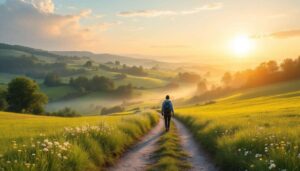
Beyond the coastline, Albania’s mountainous interior presents extraordinary opportunities for hiking and nature exploration. The Albanian Alps, known locally as the Accursed Mountains, feature rugged peaks, deep valleys, and traditional stone villages that seem frozen in time. Theth and Valbona national parks attract trekkers with well-marked trails offering panoramic views and encounters with diverse wildlife. The country’s varied topography ensures that visitors can enjoy both Mediterranean beaches and alpine adventures within the same trip.
Lakes and rivers worth exploring
Albania boasts several stunning bodies of water that add to its natural appeal:
- Lake Ohrid, one of Europe’s oldest and deepest lakes, shared with North Macedonia
- Lake Koman, a reservoir surrounded by dramatic mountain scenery, accessible via scenic ferry rides
- The Blue Eye, a mesmerising natural spring with incredibly clear blue water
- Numerous rivers perfect for rafting and kayaking adventures
These diverse landscapes provide the perfect backdrop for understanding why Albania has become such a sought-after destination, but the country’s appeal extends far beyond its natural beauty into its fascinating past.
Cultural and historical richness
Ancient ruins and archaeological sites
Albania’s strategic location has made it a crossroads of civilisations for millennia. The ancient city of Butrint, a UNESCO World Heritage Site, showcases layers of Greek, Roman, Byzantine, and Venetian history within a single archaeological complex. Apollonia, once a prominent Greek colony, features well-preserved ruins including a monastery and an impressive theatre. These sites offer tangible connections to the classical world without the queues and entrance fees associated with similar attractions in neighbouring countries.
Ottoman and communist heritage
The country’s more recent history provides equally compelling attractions. Berat and Gjirokastër, both UNESCO-listed towns, display exceptional Ottoman architecture with their distinctive white stone houses climbing hillsides. The communist era left its mark through numerous bunkers scattered across the landscape and museums documenting this unique period. Tirana’s Bunk’Art museums, housed in former nuclear shelters, offer sobering insights into Albania’s isolated past whilst demonstrating the nation’s remarkable transformation.
| Historical Period | Key Sites | Approximate Age |
|---|---|---|
| Illyrian | Rozafa Castle | 2,400 years |
| Roman | Butrint Amphitheatre | 2,000 years |
| Ottoman | Et’hem Bey Mosque | 230 years |
| Communist | Bunk’Art | 50 years |
This rich historical tapestry makes Albania particularly attractive to culturally curious travellers, but the country’s affordability adds another compelling dimension to its appeal.
Attractive cost of living
Accommodation bargains
Albania offers exceptional value for accommodation across all categories. Boutique hotels in historic buildings, beachfront resorts, and mountain guesthouses typically cost a fraction of equivalent properties elsewhere in Europe. Visitors can secure comfortable double rooms for £25-40 per night, whilst luxury options rarely exceed £100, even during peak season. This affordability extends to longer stays, making Albania increasingly popular amongst digital nomads and remote workers seeking quality of life without financial strain.
Dining and entertainment expenses
The cost of meals represents another significant advantage. A three-course dinner at a quality restaurant typically costs £10-15 per person, whilst street food and casual eateries offer satisfying meals for under £5. Local wines and craft beers remain remarkably affordable, and even upscale establishments maintain prices that seem almost unbelievable to visitors from Western Europe. Entertainment, from museum entries to boat trips, similarly offers outstanding value without compromising on quality or experience.
Transport and activity costs
Getting around Albania won’t deplete travel budgets:
- Intercity buses cost £3-8 for most routes
- Petrol prices remain lower than most European countries
- Guided tours and excursions typically range from £15-30
- Car hire starts from approximately £20 per day
- Taxi fares within cities rarely exceed £5
This affordability means travellers can experience more without constant budget concerns, and the money saved on basics allows for indulgence in the country’s remarkable culinary offerings.
Delicious Albanian cuisine
Traditional dishes and flavours
Albanian cuisine reflects the country’s diverse influences whilst maintaining its distinct identity. Tavë kosi, a baked lamb and yoghurt dish, represents the national plate, whilst byrek, flaky pastry filled with cheese, meat, or vegetables, appears on every street corner. Seafood along the coast showcases the freshest catches prepared simply with olive oil, lemon, and herbs. The food emphasises quality ingredients, generous portions, and robust flavours that satisfy without pretension.
Local produce and markets
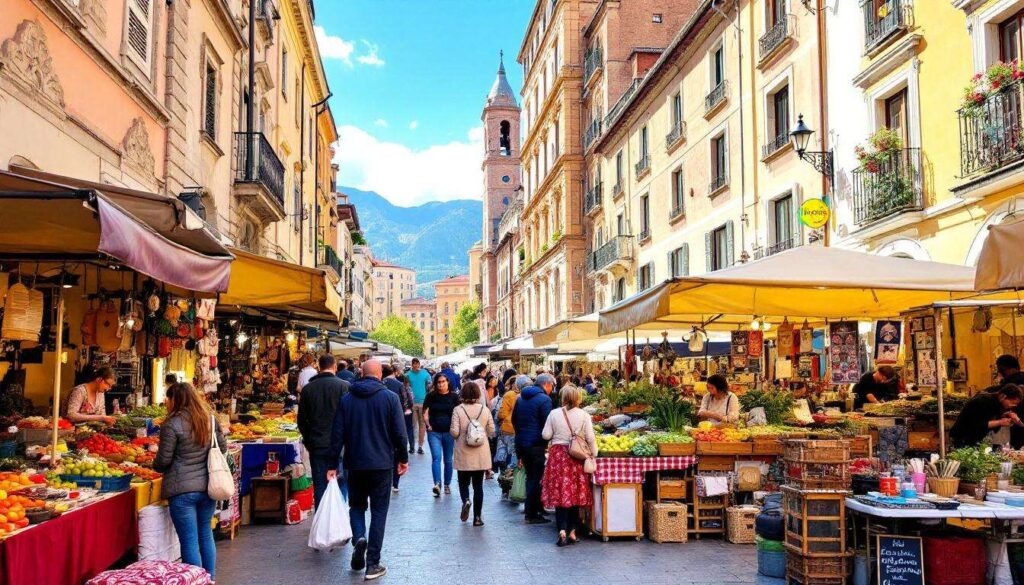
Albania’s agricultural traditions ensure access to exceptional fresh produce. Local markets overflow with seasonal fruits, vegetables, cheeses, and cured meats at prices that encourage daily shopping. The country’s olive oil production rivals that of Italy and Greece in quality, whilst local honey, mountain herbs, and traditional preserves make excellent souvenirs. Visiting these markets provides insight into daily Albanian life and opportunities to interact with welcoming locals proud to share their culinary heritage.
Wine and raki culture
Albania’s winemaking tradition dates back thousands of years, and recent investments have elevated quality significantly. Indigenous grape varieties produce distinctive wines rarely found elsewhere, whilst the national spirit, raki, accompanies meals and celebrations. Wine tours through regions like Berat offer tastings at family-run wineries where hospitality and passion for craft shine through. These authentic experiences, combined with the country’s hidden treasures, create memories that extend beyond typical tourist activities.
Secret and must-see destinations
Off-the-beaten-path villages
Albania’s most memorable experiences often occur in places absent from mainstream guidebooks. The village of Theth, accessible via a winding mountain road, offers authentic rural life amongst spectacular scenery. Gjipe Beach, reached by hiking through a canyon, rewards adventurous visitors with isolation and natural beauty. The stone city of Gjirokastër maintains its Ottoman character whilst remaining refreshingly uncommercialised compared to similar destinations elsewhere.
Emerging coastal towns
Beyond established spots, several coastal areas are gaining attention:
- Himara: traditional village atmosphere with excellent beaches
- Borsh: longest beach in Albania with minimal development
- Porto Palermo: featuring a castle on a scenic peninsula
- Lukova: quiet fishing village with authentic character
Urban exploration in Tirana
The capital city surprises visitors with its vibrant energy and colourful architecture. Skanderbeg Square anchors the city centre, surrounded by museums, galleries, and cafés. The Blloku neighbourhood, once reserved for communist elite, now pulses with restaurants, bars, and boutiques. Street art adorns buildings throughout, whilst the Dajti Express cable car provides panoramic city views. Tirana demonstrates Albania’s forward-looking spirit whilst maintaining connections to its complex past, making it an ideal starting point for understanding the practical aspects of visiting this increasingly accessible destination.
Ease of access and affordable travel options
Growing flight connectivity
Albania’s accessibility has improved dramatically with expanding flight routes from major European cities. Budget airlines now serve Tirana International Airport from London, Manchester, Birmingham, and numerous other UK airports, with flight times around three hours. Seasonal routes to coastal airports increase during summer months, whilst year-round services make Albania viable for any season. Flight prices remain competitive, often significantly cheaper than routes to more established Mediterranean destinations.
Visa requirements and entry
British citizens enjoy visa-free entry to Albania for stays up to 90 days within a 180-day period, simplifying travel planning considerably. Entry requirements remain straightforward, requiring only a valid passport with at least three months’ validity beyond the intended departure date. This ease of entry, combined with the welcoming attitude towards tourists, removes barriers that might deter visitors to more bureaucratically complex destinations.
Getting around the country
Internal transport options accommodate various travel styles and budgets. The bus network connects major towns and cities reliably, whilst hiring a car provides flexibility for exploring remote areas. Road conditions have improved substantially, though mountain routes require confident driving. Organised tours offer convenient alternatives for those preferring not to drive, and local guides provide valuable context and access to places difficult to find independently.
Albania’s combination of natural splendour, cultural depth, affordability, and accessibility explains its sudden popularity amongst discerning travellers. The country offers experiences that feel increasingly rare in modern Europe: genuine hospitality, undiscovered landscapes, and authentic culture without commercialisation. As word spreads about this Balkan treasure, those booking trips now will experience Albania before it transforms into yet another overcrowded destination, making the present moment ideal for discovery.